Entry · Ref I2UBC2GE
The Hidden Benefits of Invisalign Calabasas CA
- Posted
- 2026-11-24
- Last amended
- 2026-11-24
- Account
- @emiliozzib305
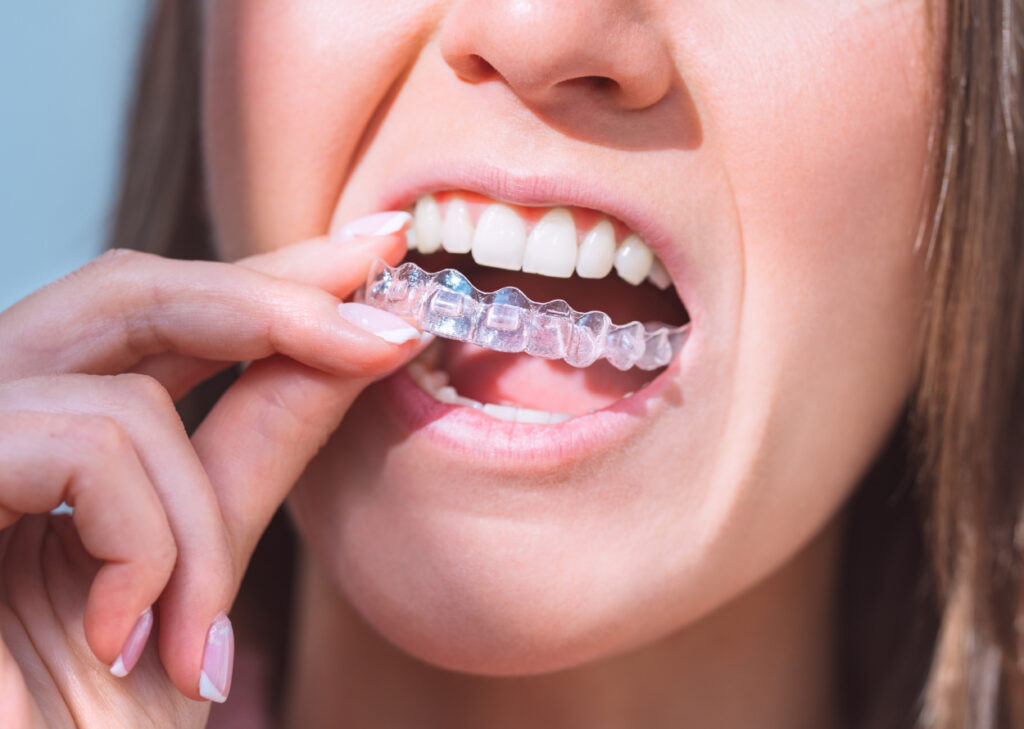
When people first ask about Invisalign, the conversation usually starts with the obvious advantage: straighter teeth without metal brackets and wires. That benefit matters, especially for adults with public-facing careers, teenagers who feel self-conscious in photos, or anyone who simply prefers a lower-profile treatment. But after years of watching how patients adapt to clear aligners, it becomes clear that the real value often runs deeper than appearance.
For many people considering Invisalign Calabasas CA, the hidden benefits show up gradually. They show up in daily routines, in the way someone chews, speaks, cleans their teeth, sleeps, and even carries themselves in social settings. They also show up in the practical rhythm of life in Calabasas, where people often balance long workdays, family commitments, school schedules, travel, and social events. A treatment that fits into real life with less disruption can offer more than convenience. It can improve follow-through, reduce stress, and support better long-term results.
That is where Invisalign tends to surprise people. The aligners are not just cosmetic devices. In the right case, they are part orthodontic tool, part behavior reset, and part preventive investment.
A treatment people are more likely to stick with
One of the least discussed advantages of Invisalign is compliance driven by comfort and psychology. Traditional braces work because they stay on the teeth. Invisalign works when the patient wears the trays consistently, usually around 20 to 22 hours a day. At first glance, that sounds like a drawback. It puts responsibility in the patient’s hands. In practice, though, many adults and older teens become more engaged with treatment because they can see and feel the process day by day.
There is a subtle but powerful difference between having something done to you and actively participating in your own progress. With clear aligners, patients tend to develop a stronger awareness of their habits. They notice when they have left trays out too long. They learn how certain foods affect their oral hygiene. They become more observant of tooth movement from one aligner stage to the next. That sense of involvement often improves consistency.
This matters because motivation is not a small detail in orthodontics. Treatment outcomes depend not just on the clinical plan, but on real-world follow-through. A person who feels in control is often more likely to stay on schedule, attend check-ins, and finish treatment without avoidable delays.
Better oral hygiene during treatment
Anyone who has spent time around orthodontic care knows this truth: straightening teeth is only part of the job. Preserving enamel and gum health while the teeth move is just as important.
This is one of the strongest hidden advantages of Invisalign. Because the aligners come out, brushing and flossing remain much closer to normal. That sounds simple, but it has major consequences. Fixed braces create ledges and tight spaces where plaque can gather around brackets and wires. Even diligent patients can struggle to clean every surface well. It is not unusual for people with traditional braces to end treatment with straighter teeth but white spot lesions, inflamed gums, or stubborn tartar buildup.
With Invisalign, the path is usually cleaner, literally and clinically. Patients remove the trays before eating, brush before putting them back in, and can floss without threading around hardware. That routine tends to support healthier gums and lower the risk of decalcification. It also gives the dentist or orthodontist a clearer view of the teeth and soft tissue at regular visits.
In a community like Calabasas, where many patients are already investing in cosmetic and preventive dentistry, this benefit carries extra weight. There is little point in straightening teeth beautifully if the enamel suffers along the way. Invisalign often helps protect the finish line.
Less interference with professional and social life
People often mention aesthetics when choosing clear aligners, but appearance is only part of the story. The broader benefit is reduced friction in everyday human interactions.
Many adults in Calabasas work in fields where communication matters. They lead meetings, appear on camera, meet clients, teach, coach, manage teams, or spend all day in conversation. Traditional braces can affect speech temporarily, catch food at awkward moments, and create a self-consciousness that lingers longer than expected. Clear aligners are not completely invisible, and some patients have a mild lisp for a few days when they start a new tray. Still, the overall social burden is usually lighter.
That reduction in friction can make treatment feel sustainable. A working parent does not want to think about a broken bracket before an event. A teenager does not want to smile with lips pressed shut in every yearbook photo. A professional preparing for a presentation does not want to worry about a spinach leaf tangled in orthodontic hardware. These details sound small until they happen repeatedly. Over a year or more of treatment, they add up.
The hidden benefit here is emotional bandwidth. When treatment blends into life rather than interrupting it, people often feel less drained by the process.
More comfort, fewer emergency visits
Orthodontic discomfort is normal, whether someone uses braces or aligners. Teeth have to move, and movement creates pressure. But the type of discomfort matters.
Invisalign uses smooth plastic trays without metal wires or protruding brackets. That means fewer mouth sores from friction against the cheeks and lips. It also means fewer surprise emergencies. There are no poking wires to clip, no brackets to re-bond after biting into something crunchy, and fewer last-minute appointments to fix mechanical issues.
This can make a real difference for families with packed calendars. Between school, sports, traffic, work obligations, and extracurriculars, an unscheduled orthodontic visit is not a minor inconvenience. It can derail an afternoon. Parents notice this quickly. So do adults who travel for work or have little flexibility in their day.
Comfort also affects treatment behavior in a practical way. If something hurts sharply or constantly irritates the mouth, patients become frustrated. Frustration leads to avoidance, and avoidance slows progress. A smoother experience supports better adherence.
The surprising link to better eating habits
One of the more interesting side effects of Invisalign is how it changes the way people snack. Since the aligners need to be removed before eating or drinking anything other than water, many patients naturally cut down on grazing throughout the day. They start asking themselves a simple question before reaching for a snack: is this worth taking my trays out, eating, cleaning my teeth, and putting them back in?
That extra step does not turn orthodontic treatment into a diet plan, and it should not be framed that way. But it often creates more structure around meals. People who used to sip sweetened coffee all morning or snack casually in the car tend to do less of Invisalign Calabasas CA it. From an oral health perspective, that can be a major advantage. Fewer eating episodes generally mean fewer acid attacks on enamel and fewer opportunities for plaque-feeding sugars to linger.
There is also a mindfulness component. Patients become more aware of what they consume and when. Over time, many report that they drink more water, reduce sticky or sugary foods, and keep their mouth feeling cleaner. That is not guaranteed, of course. Some people respond by rushing hygiene or wearing trays after eating without brushing, which can trap food particles and plaque. But with proper guidance, Invisalign can reinforce healthier patterns.
Invisalign can improve function, not just appearance
It is easy to think of orthodontics as cosmetic because the visual result is so obvious. Yet function matters just as much, sometimes more. Many cases of crowding, spacing, crossbite, overbite, and mild to moderate alignment problems affect the way the teeth meet and work together.
When the bite is off, the signs are not always dramatic. A person may chew mostly on one side, chip a front tooth repeatedly, grind at night, or experience uneven wear that becomes expensive later. Some patients notice jaw fatigue. Others do not notice anything until a dentist points out the pattern.
Invisalign can help address some of these issues in well-selected cases. By improving how the upper and lower teeth fit together, treatment may reduce isolated areas of heavy contact and distribute biting forces more evenly. That can preserve enamel, reduce stress on certain teeth, and sometimes make restorative work more predictable.
The key phrase is well-selected cases. Clear aligners are excellent for many situations, but not every bite problem is best managed with Invisalign alone. Severe skeletal discrepancies, complex rotations, significant vertical issues, and certain growth-related concerns may respond better to braces or a combination approach. Honest case selection is part of good care. The hidden benefit for the patient is not being sold the wrong treatment.
Gum health often improves when teeth are aligned
Crowded teeth do more than look uneven. They can create tight, hard-to-clean areas where plaque accumulates and gums remain chronically irritated. Even people with excellent hygiene can struggle to floss effectively between overlapping teeth.
As alignment improves, access improves. The toothbrush reaches more evenly. Floss slides into spaces that used to be blocked or awkward. For many adults, especially those who have had repeated cleanings focused on the same trouble spots, this is one of the most meaningful long-term gains.
Dentists and hygienists see it often. The patient who always bled between lower front teeth suddenly has a cleaner, calmer gumline after alignment. The person with recurring inflammation around one rotated tooth can finally keep that area stable. Straight teeth are not automatically healthy teeth, but they are often easier teeth to maintain.
That is an important distinction because preventive care is rarely glamorous. No one posts about lower plaque retention on social media. But over ten or twenty years, easier hygiene can matter far more than the novelty of nearly invisible trays.
Treatment planning has become more visual and precise
Another hidden advantage of Invisalign is the planning process itself. Digital scans and treatment simulations can help patients understand what is being corrected and why. This does not mean every projected movement happens exactly on screen. Teeth are biological structures, not animated objects. Still, the ability to map movement in stages gives both the provider and patient a useful planning framework.
For patients, this often increases trust and clarity. They can see which teeth need to move first, how crowding might resolve, and what the expected arc of treatment looks like. That visual roadmap can reduce anxiety, especially for adults who delayed treatment for years because the process felt vague or overwhelming.
For clinicians, digital planning can support thoughtful staging, attachment design, and refinements. It is not a substitute for experience. The software does not replace judgment. But in skilled hands, it helps turn orthodontics into a more transparent process.
That transparency has emotional value. People are more patient with treatment when they understand what is happening.
It can be gentler on certain lifestyles
Calabasas is full of people who keep moving. Some train regularly, play contact sports, travel, perform, or spend long hours in professional settings where appearance and comfort matter. Invisalign adapts well to many of these routines.
Athletes often appreciate having no brackets to cut the inside of the mouth during impact. Musicians who play wind instruments may find aligners less disruptive than braces, though there can still be an adjustment period. Frequent travelers often value fewer emergency visits and predictable tray changes. People who attend social events or speak publicly tend to like the discretion.
There are trade-offs, and they deserve mention. If someone is highly forgetful, snacks constantly, or knows they will not wear trays faithfully, braces may actually be the better choice. The hidden benefit of Invisalign appears only when the treatment style matches the person behind it. Good orthodontics is not just about technology. It is about fit.
Refinement teaches patience, and that is not a bad thing
One area where expectations need careful handling is the final stretch. Some patients assume Invisalign is a straight line from first tray to last tray, with no adjustments. In reality, many cases need refinements. That simply means the provider reassesses the result, takes new scans if needed, and orders additional trays to fine-tune the bite or alignment.
This is not a failure. It is normal. Teeth do not all move at the same pace, and some movements are more stubborn than others. What matters is that the system allows for controlled correction along the way.
There is a hidden benefit in this process: it tends to produce more thoughtful finishing. Instead of rushing to remove braces because the hardware phase is over, the provider can evaluate details like contact points, edge alignment, bite settling, and midline balance with fresh data. Patients who understand this are usually happier with the result because the final polish is not skipped.
The important part is communication. A good office explains from the start that refinements may be part of the journey. When patients hear that upfront, they interpret extra trays as precision, not delay.
Retention is easier to accept after Invisalign
Every orthodontic treatment comes with the same truth at the end: if you do not wear retainers, teeth can drift. This catches people off guard, especially adults who assume treatment is permanent once the trays are finished.
The reason Invisalign patients often do better with retention is simple. They are already used to wearing a removable appliance. The habit is established. They understand insertion, removal, cleaning, and nighttime wear. Transitioning to retainers feels less foreign than it sometimes does after braces.
That can improve long-term stability. Retainers are only effective when people actually use them, and familiarity helps. Patients who complete Invisalign have already built a routine around appliance wear, which makes maintenance feel like a continuation rather than a brand-new burden.
This is one of those benefits that becomes visible years later. The person who keeps the result tends to be the person who accepted retention early and realistically.
Choosing the right provider in Calabasas matters more than the brand
The phrase Invisalign Calabasas CA gets searched often because people are looking for a local solution that blends convenience with quality. That search term makes sense, but the brand name should not overshadow the provider’s skill.
Clear aligners are a tool. The planning, attachments, staging, bite correction strategy, and monitoring all depend on the person directing treatment. A weak plan with a popular system can still produce compromised results. On the other hand, a skilled dentist or orthodontist who understands case selection, biomechanics, and finishing details can make the experience far more efficient and predictable.
Patients often focus on price first, which is understandable. Orthodontic treatment is a real investment. But the hidden cost of poor planning is substantial. It can mean prolonged treatment, unsatisfactory aesthetics, bite problems, unnecessary refinements, or the need for retreatment later.
A thoughtful consultation should cover more than tray counts and payment options. It should address whether your case is appropriate for aligners, what limitations exist, how often progress will be checked, what happens if tracking slips, and what retention will look like afterward. Those are the questions that separate a polished sales pitch from genuine treatment planning.
The confidence shift is often quieter than expected
People imagine a dramatic reveal at the end of orthodontic treatment, and sometimes that happens. More often, the confidence benefit is subtler and stronger. A patient stops covering their mouth when they laugh. They volunteer for photos without thinking about it. They speak up more at work. They book the professional headshot they have been postponing. They smile naturally rather than strategically.
This kind of confidence does not feel theatrical. It feels like relief.
That may be the most overlooked benefit of all. Invisalign changes the mechanics of alignment, but it also removes a low-grade distraction that some people have carried for years. When someone no longer thinks about a rotated front tooth in every conversation, they gain mental space. That is not vanity. It is freedom from self-monitoring.
And because the process is generally discreet, many patients get to experience that shift without feeling exposed during treatment. For adults who waited a long time to address their teeth, that can make the difference between finally starting and putting it off for another five years.
What the hidden benefits add up to
The strongest case for Invisalign is rarely just that the trays are clear. It is that, for the right patient, the treatment can protect hygiene, support healthier routines, reduce interruptions, improve function, and make long-term maintenance easier. Those benefits are not flashy, but they are the ones that shape the overall experience.
That is why so many people exploring Invisalign Calabasas CA end up valuing things they never expected to care about at the start. They come in thinking about appearance and leave talking about easier flossing, fewer emergencies, less wear on certain teeth, and a smoother fit with work and family life.
Straight teeth matter. A well-managed bite matters. But the hidden advantages are often the reason the whole process feels worth it.
Oaks Dental
5000 Parkway Calabasas, Suite 308
Calabasas, CA 91302
(818) 643-6521
FAQ About Invisalign Calabasas CA
How many hours a day should I wear Invisalign?
Clear aligners are typically worn for 20 to 22 hours a day. Follow your dentist’s instructions for your specific treatment plan.
What age is best for Invisalign?
Many teens and adults can use clear aligners. A dentist can assess dental development, oral health, and the type of tooth movement needed.
What affects the cost of Invisalign in California?
Cost depends on the complexity and length of treatment and what the quoted plan includes. Ask for an itemized estimate and check any orthodontic coverage with your insurer.