Entry · Ref TJDT4_86
Invisalign Calabasas CA and the Importance of Consistency
- Posted
- 2026-11-24
- Last amended
- 2026-11-24
- Account
- @emiliozzib305
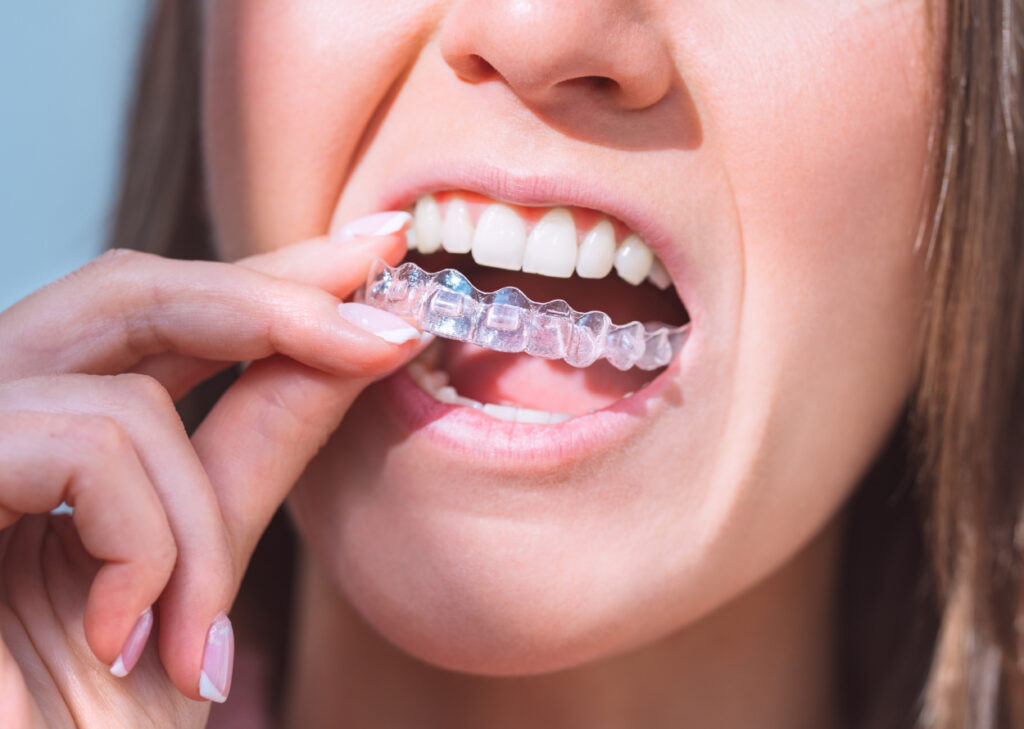

A straight smile is often described as the end goal, but anyone who has worked through orthodontic treatment knows the real story is less about the destination and more about the daily habits that get you there. That is especially true with clear aligners. Invisalign can be remarkably effective, discreet, and convenient, but only when the patient uses it as directed. In a place like Calabasas, where schedules fill quickly and appearances matter to many adults and teens alike, clear aligners are an appealing option. They fit into professional meetings, school days, workouts, dinners out, and social events without drawing much attention. What they do not tolerate well is inconsistency.
When people search for Invisalign Calabasas CA, they are often looking for aesthetics, comfort, and a modern alternative to braces. Those benefits are real. Still, the most important factor in success is not the technology alone. It is follow-through. In practice, the difference between a smooth Invisalign case and a frustrating one usually comes down to the same thing: wearing the aligners long enough, often enough, and carefully enough for the teeth to keep moving on schedule.
Why consistency matters more than most people expect
Clear aligners move teeth with controlled, gradual force. Each tray is designed to make a very specific set of movements, often fractions of a millimeter at a time. That precision is one of Invisalign’s strengths. It is also why small lapses can create larger problems over time.
Unlike braces, which are fixed to the teeth and keep working around the clock, Invisalign is removable. That sounds like freedom, and it is, but it also puts more responsibility on the patient. If aligners are supposed to be worn around 20 to 22 hours a day and they are only worn 14 or 15, the teeth may not track as planned. “Tracking” is the term many orthodontic teams use when teeth are following the intended path from one tray to the next. When tracking is lost, trays stop fitting properly, attachments become less effective, and treatment can stall.
That is the point many patients do not fully appreciate at the beginning. A missed hour here and there feels harmless. A long lunch, a coffee break without putting trays back in, a few evenings out each week, sleeping without aligners once in a while, it all adds up. Teeth do not move in a forgiving, catch-up-later way. Biology is more stubborn than that. Bone remodels slowly. Ligaments respond to steady pressure. Sporadic wear weakens the whole process.
I have seen cases where a patient did almost everything right but got casual during weekends and wondered why the next set of trays felt painfully tight. I have also seen patients with fairly complex crowding finish beautifully because they were disciplined from day one. The appliance matters, but behavior matters more.
The hidden trade-off of convenience
Invisalign is popular because it offers flexibility. You can remove trays to eat, brush, floss, and attend an important event without metal brackets in photos. For adults in client-facing jobs, that can make treatment far easier to accept. For teens, it can reduce the self-consciousness that sometimes comes with traditional braces.
The trade-off is simple. Anything removable can also be forgotten, misplaced, or left out too long.
This is where Invisalign Calabasas CA becomes more than a search phrase. In communities where life tends to move fast, convenience can become a double-edged sword. Parents are coordinating school, sports, tutoring, and family schedules. Adults are balancing work, travel, exercise, and social commitments. On paper, Invisalign fits that lifestyle well. In reality, those same demands can interfere with the consistency treatment requires.
A patient might take trays out for a business lunch and not replace them until midafternoon. A teenager might remove them before practice, then leave them in a locker until evening. Someone heading to dinner in Woodland Hills or a late event in Malibu Oaks Dental Invisalign Calabasas CA might decide to leave the trays out for “just a few hours.” Those decisions feel minor in the moment. Orthodontically, they are not.
What consistency actually looks like day to day
Most patients are told to wear aligners 20 to 22 hours per day. That leaves only a narrow window for meals, snacks, brushing, and flossing. It sounds strict because it is strict. Fortunately, it is manageable once the routine becomes automatic.
Consistency is not only about total wear time. It also includes changing trays on the correct schedule, using chewies or seating tools when provided, keeping aligners clean, attending follow-up visits, and wearing any elastics exactly as prescribed. A patient can hit the right number of hours and still lose progress if they keep snapping trays in loosely without fully seating them. Tiny gaps between the aligner and the teeth are often an early warning sign that movement is falling behind.
One of the most useful things a patient can do is stop thinking about Invisalign as something they wear when convenient and start treating it like part of normal function, almost like eyeglasses or a retainer after treatment. You eat without them, clean your teeth, then they go back in. There is no debate, no waiting for later, no setting them on a napkin and hoping they make it home.
That shift in mindset changes outcomes.
Why some patients struggle even when they mean well
Very few people start Invisalign intending to be inconsistent. Most lapses come from optimism and routine disruption, not from neglect. Patients assume they will remember. They assume one night off will not matter. They assume the trays can work harder later to make up for lost time. Those assumptions are understandable, and they are usually wrong.
The first two weeks are often the most revealing. Some people adapt quickly. Others discover that their normal eating pattern includes frequent snacking, coffee sipping over several hours, or social habits that keep trays out longer than expected. If you are used to drinking anything besides water throughout the day, Invisalign asks you to change that behavior. Sugary or acidic drinks with trays in can increase the risk of decay and staining. Taking trays out repeatedly for every beverage creates its own wear-time problem. Many adults are surprised that coffee, not crowding, becomes their biggest obstacle.
Travel creates another challenge. Flights, hotel stays, conferences, and long road days can throw off timing. It is easier than most people admit to leave aligners in a case on a restaurant table or rush through oral hygiene when getting home late. These are not rare mistakes. They are common enough that experienced orthodontic teams often spend as much time coaching behavior as they do discussing tooth movement.
Teenagers face a slightly different version of the same issue. They may be highly motivated by appearance, especially if they like the idea of straightening teeth without braces. But teens also live in a world of changing schedules, school meals, sports, rehearsals, and impulsive routines. Some are excellent Invisalign patients. Others need structure, reminders, and parental oversight to stay on track.
The first signs that consistency is slipping
The body gives warnings before treatment goes fully off course. Patients often notice them if they know what to watch for.
One common sign is when the next tray feels impossible to seat fully, especially around the front teeth or molars. Another is visible space between the tray and the biting edge of a tooth, a small “halo” that suggests the tooth has not completed the expected movement. Attachments may also start feeling less useful if trays are no longer engaging them properly. Sometimes the patient senses a general pattern of tightness that lasts longer than usual from tray to tray, not the normal pressure of a new aligner, but a sense that the teeth are lagging.
Speech changes can offer clues too. If a tray suddenly feels bulkier or less stable, it may not be fitting as designed. Cracked aligners, warped trays from heat exposure, and trays that look cloudy from poor cleaning can also affect performance.
These issues do not always mean failure. They do mean it is time to pay closer attention and contact the treating office rather than guessing. Small corrections made early are much easier than trying to salvage months of inconsistent wear.
Why the treatment timeline is rarely the same as the ad
Marketing tends to make orthodontic timelines look neat. Real treatment is less tidy. Even straightforward cases can take longer than patients expect if teeth move unpredictably or compliance drops. Many Invisalign plans also include refinement phases, where additional scans and aligners fine-tune the final result after the initial series is complete.
That is not a flaw in the system. It is part of responsible treatment. Teeth are not computer graphics. Some rotate slowly. Some roots resist. Some bite changes create new priorities as the case progresses. Consistency does not guarantee a perfect timeline, but inconsistency almost always extends it.
If a patient in Calabasas starts treatment hoping to be done before a wedding, graduation, senior portraits, or a professional milestone, that timing needs to be discussed honestly from the start. It is possible to make meaningful progress within months, but speed depends on biology, case complexity, and disciplined wear. The trays cannot compress a year of movement into half the time because the patient has an event coming up.
That reality is not discouraging. It is clarifying. A patient who understands the role of consistency is far less likely to be disappointed by normal adjustments along the way.
Building a routine that survives real life
The best Invisalign patients are not necessarily the most organized people by nature. They are the ones who make the process frictionless. They remove decision-making wherever possible.
A reliable routine usually starts with meals. Instead of grazing all day, patients often do better with defined eating windows. They keep a toothbrush, floss, and travel-sized toothpaste in a bag, car, desk drawer, or gym locker. They carry their aligner case everywhere, because setting trays on a napkin is one of the fastest ways to lose them. They rinse trays before putting them back in and clean them properly at least once or twice a day, depending on the instructions from their provider.
Some patients do well changing to a new tray before bed rather than in the morning. That gives the teeth several uninterrupted hours to begin adapting while they sleep. If the new tray feels snug, overnight wear takes the edge off the first day. Others use phone reminders, especially early in treatment, to avoid long gaps after meals.
A few practical habits tend to make the biggest difference:
- Put the trays back in immediately after eating and brushing, not “in a little while.”
- Carry the case at all times, because lost aligners can disrupt treatment quickly.
- Track wear time honestly, especially during weekends, travel, and social events.
- Use any prescribed elastics or seating tools exactly as instructed.
- Call the office early if a tray does not fit, rather than forcing the schedule.
That may sound basic, but basics drive results. Orthodontics is full of sophisticated planning, digital scans, attachments, and staged movements. None of it works well if the trays spend too much time in a purse, a cup holder, or on a nightstand.
The local factor, Calabasas habits and expectations
Patients pursuing Invisalign Calabasas CA often have high expectations, and that can be a good thing. They want a polished result, a discreet treatment experience, and a plan that works with busy personal and professional lives. Those expectations are reasonable. They simply need to be paired with realistic discipline.
Calabasas patients often include working professionals, performers, entrepreneurs, students, and parents managing demanding calendars. Many appreciate the cosmetic advantage of clear aligners and the ease of removing them for important moments. Yet the more active the lifestyle, the more intentionally the routine has to be protected.
There is also a social side to consistency. Dining out frequently, extended coffee meetings, fitness classes, and spontaneous plans can all chip away at wear time. The patients who succeed are rarely the ones with the simplest schedules. They are the ones who set boundaries with the process. They know that treatment is temporary, and they are willing to be a little less casual for several months in exchange for a stronger outcome.
That is often the most mature way to frame Invisalign. It is not passive treatment. It is active treatment that happens to look subtle.
When perfection is not possible, judgment matters
Consistency matters, but perfection is not the standard. Life happens. A tray gets lost. A patient gets sick. A wedding weekend runs long. A child’s tournament turns into a twelve-hour day. What matters is how quickly the patient recovers and whether they communicate with the orthodontic office.
Experienced providers usually prefer honesty over guesswork. If trays have been out too long, say so. If the current tray still does not fit after extra wear, report it. If an attachment fell off, do not wait until the next scheduled visit if the office recommends earlier follow-up. A small course correction may be all that is needed. Delaying often turns a manageable issue into a more complicated one.
There is also a difference between occasional disruption and chronic inconsistency. A single rough week can often be managed by extending tray wear or adjusting the sequence under professional guidance. Repeated underuse across months is different. That pattern can compromise not only timing but the quality of the final bite.
Orthodontic success is not measured only by how straight the front teeth look in photos. It also depends on how the teeth fit together, how stable the result will be, and whether the final position supports long-term oral health. That is why consistency cannot be reduced to vanity. It affects function.
Adults versus teens, who does better?
People often assume adults are better Invisalign patients because they are paying for treatment and understand the stakes. Often that is true. Adults tend to be more disciplined once they commit. They may also be highly motivated by professional image or by the desire to correct relapse after not wearing retainers years ago.
At the same time, adults can be their own worst obstacle. Business lunches, all-day coffee habits, travel, and client events create a lot of opportunities to keep trays out too long. Adults also negotiate with themselves more. A teen may follow a rule because it is the rule. An adult may rationalize exceptions all day long.
Teens can surprise everyone. Some are meticulous and do extremely well, especially when they are motivated by appearance or a big life event. Others need frequent reminders, school-friendly hygiene kits, and a parent who checks in without turning every meal into a confrontation.
The deciding factor is rarely age alone. It is ownership.
What happens after treatment says a lot about consistency too
The need for consistency does not end when the last aligner is finished. Retention is part of the same story. Teeth have memory, and they can drift. Anyone who has seen lower front teeth crowd again years after braces understands how persistent that tendency can be.
Retainers are the insurance policy for all the effort that came before. Patients who were disciplined during Invisalign usually adapt well to retainers because they already know how to build the habit. Patients who struggled with wear time during treatment often find retention equally challenging, which increases the risk of relapse.
That is an important point because many people think of the final tray as the finish line. It is better to think of it as a transition. Active movement ends. Maintenance begins. The smile stays stable only if the patient remains consistent.
Questions worth asking before starting
Choosing a provider matters, and not only for technical skill. Good Invisalign treatment includes coaching, monitoring, and honest communication about compliance. A patient should feel comfortable asking how the office handles poor tracking, lost trays, refinements, attachment repairs, and retainer planning. These are practical questions, not minor details.
A useful consultation should also address lifestyle fit. If someone knows they travel constantly, snack throughout the day, or have a history of struggling with retainer wear, those issues should be discussed openly. Invisalign may still be a good option, but the plan should reflect real behavior, not ideal behavior.
Here are a few questions that often lead to better decisions:
- How many hours per day do you realistically expect for my case?
- What are the early signs that my trays are not tracking correctly?
- If I lose a tray or fall behind, what should I do first?
- Will my case likely need refinements, and how does that affect timing?
- What retention plan do you recommend once treatment is complete?
A thoughtful provider will answer directly and will not pretend every case runs on a flawless digital script. The best outcomes come from collaboration, not sales language.
The real advantage of consistency
The obvious benefit of consistent Invisalign wear is straighter teeth. The less obvious benefit is efficiency. When patients stay on schedule, appointments tend to be smoother, refinements may be simpler, and treatment often feels less stressful. There is less guessing, less discomfort from ill-fitting trays, and less disappointment over delays.
There is also a psychological benefit. Patients who wear aligners consistently usually feel in control of the process. They can see progress and trust it. Patients who wear them inconsistently often live in a cycle of uncertainty, wondering whether the trays still fit, whether the next set will work, whether treatment is taking too long, whether they have undone prior progress. That uncertainty creates frustration far beyond the physical inconvenience.
For anyone considering Invisalign Calabasas CA, the question is not only whether clear aligners can straighten teeth. In many cases, they absolutely can. The better question is whether you are ready to be consistent enough for the system to work as designed.
If the answer is yes, Invisalign can be a highly effective, discreet, and practical treatment. If the answer is not yet, that is worth knowing before you begin. Orthodontics rewards honesty. The patients who do best are not the ones chasing perfection. They are the ones who respect the process, follow it steadily, and understand that small daily choices are what eventually shape the final smile.
Oaks Dental
5000 Parkway Calabasas, Suite 308
Calabasas, CA 91302
(818) 643-6521
FAQ About Invisalign Calabasas CA
How many hours a day should I wear Invisalign?
Clear aligners are typically worn for 20 to 22 hours a day. Follow your dentist’s instructions for your specific treatment plan.
What age is best for Invisalign?
Many teens and adults can use clear aligners. A dentist can assess dental development, oral health, and the type of tooth movement needed.
What affects the cost of Invisalign in California?
Cost depends on the complexity and length of treatment and what the quoted plan includes. Ask for an itemized estimate and check any orthodontic coverage with your insurer.