Entry · Ref AG7QBOJO
Dental Implants Calabasas CA for Restoring a Complete Smile
- Posted
- 2026-09-29
- Last amended
- 2026-09-29
- Account
- @emiliozzib305
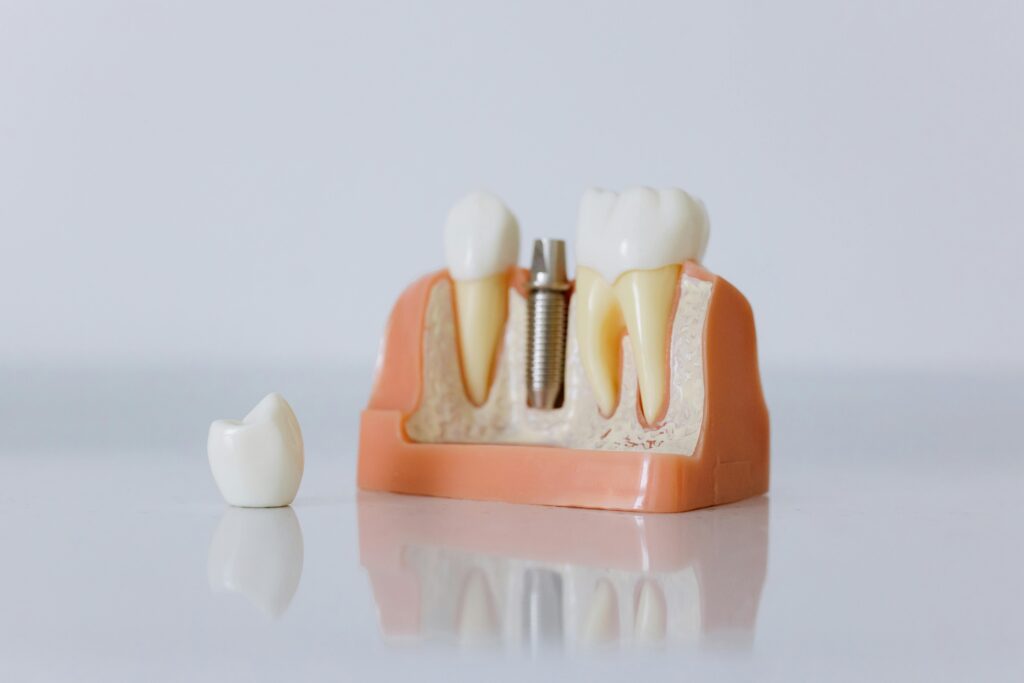
Losing a tooth changes more than a smile. It affects the way food feels when you chew, the way certain words come out, and often the way you carry yourself in conversations or photographs. Some people adapt quietly for years, favoring one side of the mouth, smiling with lips closed, or avoiding foods they once enjoyed. Others want a solution quickly because a missing tooth sits front and center, impossible to ignore. In either case, dental implants have become one of the most reliable ways to restore both function and appearance.
For patients researching Dental Implants Calabasas CA, the interest is usually practical. They want to know if implants hurt, how long the process takes, what they cost, and whether they truly feel like natural teeth. Those are the right questions. A well-planned implant can be life changing, but it is still a medical and dental procedure that depends on good diagnostics, sound judgment, and realistic expectations.
What makes implants different from older tooth replacement options is their relationship with the jawbone. A traditional bridge sits on neighboring teeth. A removable denture rests on the gums. A dental implant is placed in the bone, where it functions as an artificial tooth root. Once healed, it supports a crown, bridge, or denture with impressive stability. For many patients, that difference is the entire point. They do not want something that shifts, clicks, or requires them to plan meals around it.
Why implants have become the standard for many missing teeth cases
Dentistry has long aimed to replace missing teeth in a way that looks natural, protects oral health, and lasts. Implants meet those goals better than many alternatives because they help preserve the bone in the area of the missing tooth. When a tooth is lost, the jawbone no longer receives the same stimulation through biting and chewing. Over time, the bone can shrink. That loss of volume affects not only implant planning, but also facial support and gum contours.
This is one of the reasons timing matters. Not every implant must be placed immediately after an extraction, but waiting several years without any tooth replacement often creates more complexity. Bone grafting may be needed. The gums may have changed shape. Nearby teeth may tilt into the space. None of those issues automatically rule out treatment, but they can lengthen the process.
In daily practice, the people happiest with implants tend to appreciate both the cosmetic result and the return of confidence while eating. A patient who Dental Implants Calabasas CA has spent months chewing on one side often notices the improvement right away once the final crown is in place. Another common reaction is surprise at how normal it feels. That does not happen by luck. It comes from careful planning, precise placement, and a restoration that fits the bite correctly.
What a dental implant actually includes
Patients often use the word implant to mean the visible tooth, but the complete system has several parts. The implant itself is usually a titanium post placed in the jawbone. After healing, a connector called an abutment attaches to the implant. The crown, bridge, or denture then connects to that abutment.
That distinction matters because every stage affects the final result. An implant can be perfectly placed surgically but still feel wrong if the bite is off or the crown contour traps food. On the other hand, a beautiful crown cannot compensate for poor implant positioning. Good implant dentistry depends on coordination between surgical and restorative decisions from the start.
For a single missing tooth, the goal is usually straightforward: replace that tooth without grinding down the neighboring teeth. For several missing teeth, implants can support a fixed bridge. For patients with full-arch tooth loss, a series of implants can anchor a fixed full-arch prosthesis or stabilize an overdenture. The best option depends on anatomy, budget, oral hygiene habits, and expectations about maintenance.
Who makes a good candidate
Most healthy adults can be considered for implants, but candidacy is not determined by age alone. Bone quality, gum health, medical history, smoking status, and habits like teeth grinding all matter. I have seen excellent outcomes in older patients with solid health and consistent home care, and I have also seen younger patients need more preparation because of gum disease or untreated clenching.
A thorough evaluation usually includes exam findings, digital imaging, and a review of the bite. Three-dimensional scans are especially useful because they show available bone, sinus position in the upper back jaw, and the location of important nerves in the lower jaw. They also help determine whether grafting may be needed.
Some of the most common factors that affect candidacy include:
- Healthy gums and good plaque control
- Adequate bone volume, or willingness to complete grafting if needed
- Stable medical conditions, especially controlled diabetes
- Limited or no tobacco use
- Commitment to follow-up care and long-term maintenance
Being told you need preliminary treatment should not be taken as bad news. It often means the clinician is planning for durability rather than rushing to place an implant in less-than-ideal conditions.
The treatment process, from consultation to final smile
The implant process is not identical for every patient. Dental Implants Calabasas CA A front tooth lost to trauma in a patient with healthy gums follows a different path than a molar removed after years of infection. Still, most cases share a broad sequence.
The consultation starts with your history, goals, and examination. This is the stage where good questions matter. If a patient tells me they clench heavily, travel often, or need to coordinate treatment around a wedding or work schedule, that shapes the plan. Expectations around timeline should be realistic. Some implants are restored in a few months. Others, especially those involving grafting, take longer.
If the failing tooth is still present, extraction may be the first step. In some cases, the implant can be placed immediately at the time of extraction. In others, the site should heal first. Immediate placement can be efficient and preserve tissue contours, but it is not always wise. Active infection, thin bone, or gum limitations may make delayed placement a better choice.
After placement, the implant needs time to integrate with the bone. This healing period is often a few months, though exact timing varies with location, bone quality, and whether grafting was done. During that phase, some patients wear a temporary tooth. For front teeth, temporary restorations are often important aesthetically, but they must be designed carefully so they do not overload the implant while healing.
Once integration is confirmed, the restorative phase begins. Impressions or digital scans are taken, the abutment is selected or designed, and the crown is fabricated. The final appointment seems simple from the patient side, but it reflects many earlier decisions. Shade, shape, emergence profile, and bite contacts all need to be right. A beautiful implant crown should blend into the smile without looking bulky or flat.
When bone grafting enters the picture
Bone grafting sounds intimidating, yet it is common and often very manageable. When a tooth has been missing for a while or an extraction leaves a defect, a graft may be used to rebuild the site for future implant placement. The upper back jaw presents another frequent issue because the sinus can limit available bone height.
The need for grafting is not a sign that something has gone wrong. It is often part of a thoughtful plan. Some grafts are small and placed at the time of extraction to preserve the ridge. Others are more involved and require additional healing time. The trade-off is simple: more time upfront can improve the odds of a stable, natural-looking result.
In the aesthetic zone, especially upper front teeth, tissue support matters as much as bone volume. An implant can technically be placed in a site, yet still produce an unsatisfying cosmetic result if the surrounding gum architecture is thin or uneven. That is where experience shows. Good implant treatment is not just about filling a gap. It is about restoring harmony with adjacent teeth and soft tissue.
How implants compare with bridges and dentures
Not every missing tooth requires an implant. A traditional bridge can still be an appropriate option in some cases, especially if adjacent teeth already need crowns. A removable partial denture may be the most practical solution when finances are tight or multiple teeth are missing in a pattern that makes implants less efficient. The key is understanding the trade-offs rather than assuming one solution suits everyone.
An implant has the advantage of standing independently. It usually does not require reshaping neighboring teeth, and it can help maintain the bone in the missing-tooth area. A bridge may be completed faster in some situations, but it relies on adjacent teeth for support. If those supporting teeth develop problems later, the entire bridge may be affected. Dentures replace more teeth at lower initial cost, but many patients struggle with movement, sore spots, and reduced chewing efficiency.
This is why thoughtful case selection matters. The best treatment plan is not always the most aggressive one. It is the one that fits the mouth, the health picture, and the patient’s priorities.
What patients in Calabasas often ask first
In a place like Calabasas, where patients are often balancing professional visibility, active social lives, and busy schedules, the practical concerns tend to come up quickly. They want to know whether they will have visible gaps during treatment, how many visits are involved, and whether the final tooth will match naturally. Those are sensible concerns, especially for front-tooth cases.
One common misconception is that implants are mainly cosmetic. They are cosmetic in the sense that they can restore a complete smile beautifully, but their real value is functional and structural. Replacing a missing molar can prevent drifting teeth, bite changes, and overloading on the opposite side. A person may not miss the tooth much in the first few months, then slowly develop uneven wear or food-packing problems that become much more troublesome than the original gap.
Another frequent question involves discomfort. Most patients tolerate implant placement better than they expect. It is typically more manageable than the anxiety beforehand. There can be swelling, tenderness, and temporary dietary restrictions, especially if grafting is involved, but many people return to light normal activity quickly. The bigger challenge is often patience during healing, not pain from the procedure itself.
Cost, value, and how to think about the investment
Cost deserves a direct discussion. Dental implants usually cost more upfront than a removable option, and sometimes more than a bridge. The exact fee depends on how many teeth are being replaced, whether extraction or grafting is required, and what type of final restoration is planned. A single straightforward implant crown case is different from a full-arch reconstruction.
Patients often ask for a simple price, but a flat number can be misleading. It is better to understand the components and the long-term picture. A lower initial fee may not include grafting, temporary restorations, or follow-up adjustments. A higher fee may reflect advanced diagnostics, more precise surgical planning, and better laboratory work. Those details matter because the implant is not the only thing you are paying for. You are paying for the diagnosis, the design, the technical execution, and the support that keeps it functioning well over time.
A useful way to evaluate value is to ask about expected maintenance, likely longevity, and what happens if complications arise. Implants can last many years, often decades, but they are not maintenance-free. Crowns can chip. Screws can loosen. Gum inflammation can develop if home care slips. Good planning reduces those risks, but no restoration is immune to wear and biology.
Choosing a provider for Dental Implants Calabasas CA
When people look for Dental Implants Calabasas CA, they often focus first on convenience or online reviews. Those factors matter, but implant treatment deserves a closer look. Experience, planning style, communication, and the ability to manage complications are all important.
A skilled provider should be able to explain why a particular plan fits your case, not just what they recommend. They should discuss alternatives, expected timeline, and any limits to the outcome. If a front-tooth implant may look very good but not perfectly identical to the natural tooth next to it, that should be said plainly. Honest expectations create better experiences.
Here are a few practical questions worth asking at a consultation:
- Am I a candidate for immediate placement, or is delayed treatment safer in my case?
- Will I need bone grafting or sinus augmentation?
- What will I wear or show during healing if the tooth is in a visible area?
- How will my bite, grinding habits, or gum condition affect long-term success?
- What maintenance will this restoration need over the next several years?
The best consultations rarely feel rushed. They leave patients with a clear sense of both the benefits and the responsibilities involved.
Healing, maintenance, and protecting the result
An implant can fail for biological reasons, mechanical reasons, or simply because the surrounding environment is not healthy. That is why maintenance matters so much. Daily brushing and flossing are not optional. Professional cleanings and periodic examinations are part of the deal. If a patient has a history of periodontal disease, more frequent maintenance may be wise.
The tissue around implants can develop inflammation, just as gums around natural teeth can. Early irritation may be reversible with improved hygiene and professional care. More advanced bone loss around an implant is harder to manage. Patients sometimes assume an implant cannot get into trouble because it is not a natural tooth. The opposite mindset is more useful. Treat it like an investment that needs protection.
Nightguards are another detail often overlooked. Patients who clench or grind can place heavy forces on implant restorations, especially in the back of the mouth. Unlike natural teeth, implants do not have the same cushioning from a periodontal ligament. That means force management matters. A properly made nightguard can be an excellent long-term safeguard.
Diet during healing also deserves attention. People who feel good after surgery sometimes return too quickly to hard or crunchy foods. Early overload can compromise healing or disturb a temporary restoration. Following post-operative instructions may sound basic, but it makes a real difference in outcomes.
Restoring more than one tooth
Single-tooth implants are common, but many adults considering Dental Implants Calabasas CA are dealing with multiple missing teeth or failing dentition. In those situations, implants can be used strategically rather than one for every missing tooth. A three-tooth gap may be restored with two implants and a bridge, depending on the bite and bone. A full lower denture that has floated around for years may become dramatically more stable with as few as two to four implants, depending on the design.
This is where individualized planning shows its value. More implants are not always better. Fewer implants are not always enough. The right number depends on force distribution, bone anatomy, and the type of prosthesis. Full-arch treatment, in particular, requires careful coordination because small errors in angulation, spacing, or bite can create larger downstream issues.
Patients who have struggled with loose dentures often describe implant stabilization as a major quality-of-life improvement. The ability to speak without worrying about movement, to eat firmer foods, and to reduce the constant awareness of a denture can be profound. At the same time, these cases still require maintenance, relines or adjustments in some designs, and routine monitoring.
The aesthetic side of a complete smile
People understandably focus on whether an implant crown will look like a real tooth. A strong result depends on more than shade matching. Shape, light reflection, gum contour, and the way the tooth emerges from the gumline all influence whether it blends naturally. Front-tooth implants are especially demanding because even a slight mismatch in tissue level can draw the eye.
This is one reason rushed cosmetic promises should raise caution. Natural aesthetics take planning. Sometimes a temporary crown is shaped over time to guide the gums into a more pleasing contour before the final crown is made. That extra effort is not always visible to the patient in the moment, but it often separates a merely acceptable result from an elegant one.
A complete smile is not about making every tooth unnaturally white and identical. It is about restoring balance, confidence, and comfort in a way that suits the face. The best implant dentistry tends to disappear into the smile. People notice that you look healthy and at ease, not that you had a dental procedure.
For anyone exploring Dental Implants Calabasas CA, that is the real goal. Not simply filling a space, but rebuilding the ability to smile, speak, and eat without second-guessing every moment. When diagnosis is careful, technique is sound, and expectations are grounded, implants can do exactly that.
Oaks Dental
5000 Parkway Calabasas, Suite 308
Calabasas, CA 91302, United States
Phone: +1 (818) 412-8349
FAQ About Dental Implants Calabasas CA
How much does a dental implant cost in California?
Costs vary with the number of teeth replaced, restoration type, imaging, and any extractions or bone grafting. Request an itemized estimate after an examination; a single advertised price may not include every treatment stage.
Can people with autoimmune disease get dental implants?
Some people may qualify, but the condition, medications, oral health, and healing risks require individual assessment. Share your medical history with your dentist, who may coordinate with your treating physician.
Can you have dental implants if you have osteopenia?
Osteopenia does not by itself establish whether implants are suitable. Your dentist must evaluate jawbone support and review bone-related medications and other risks before recommending treatment.