Entry · Ref SPD1JYPZ
Dental Implants Calabasas CA for Missing Tooth Replacement
- Posted
- 2026-09-29
- Last amended
- 2026-09-29
- Account
- @emiliozzib305
Losing a tooth changes more than a smile. It changes how food feels, how words come out, where chewing pressure lands, and often how comfortable someone feels in a room full of people. A single missing tooth can seem manageable at first, especially if it sits toward the back. Then small compromises start piling up. You chew on one side. Crunchy foods become less appealing. The opposing tooth begins to drift or over-erupt. The gum in that area flattens. Months later, what looked like a cosmetic issue has become a functional one.
That is why dental implants remain such an important option for missing tooth replacement. When planned well, they do something bridges and removable appliances cannot fully replicate. They replace the tooth root as well as the crown. That matters for stability, bite force, comfort, and long-term bone support.
For patients looking into Dental Implants Calabasas CA, the real question is rarely, “Can an implant fill the space?” In most cases, it can. The better question is, “Is an implant the right replacement for my mouth, my health, my timeline, and my budget?” The answer depends on anatomy, habits, expectations, and careful treatment planning.
What a dental implant actually replaces
A natural tooth has two essential parts. The crown is the visible portion above the gumline. The root anchors the tooth in bone. Traditional tooth replacement methods often focus on the visible part. A dental implant addresses the hidden part too.
An implant is typically a small titanium post placed in the jawbone. Over time, the bone bonds to the implant surface in a process called osseointegration. Once that foundation is stable, an abutment and custom crown are attached to create a tooth that looks and functions much more like the one that was lost.
That root replacement is the key difference. When a tooth is removed and nothing occupies the root space, the surrounding bone no longer receives the same mechanical stimulation from chewing. The body responds by slowly remodeling that bone away. The process varies from person to person, but the principle is consistent. Less stimulation often leads to less bone volume. That can affect neighboring teeth, gum contours, and facial support over time.
Patients are often surprised by how much better a single implant feels than a removable option. It does not shift. It does not rely on clasps. It does not require adjacent healthy teeth to be cut down, as many bridges do. When the bite is adjusted correctly and the crown shape is designed well, the implant-supported tooth can blend into the rest of the mouth in a very natural way.
Why missing one tooth should not be brushed off
I have seen many people wait years to replace a back tooth because it was not visible when they smiled. Sometimes that choice works out reasonably well for a while. Other times, the delay creates a chain reaction.
A common example is the lower first molar. If that tooth is missing, the upper molar above it may gradually drift downward because it no longer has an opposing contact to stop it. The teeth next to the space may tip inward. Food starts trapping more easily. Cleaning becomes harder. The bite changes subtly. A straightforward implant case can become a case that also needs orthodontic movement, gum contouring, or additional restorative work.
The front teeth bring a different set of concerns. A missing front tooth affects speech, smile symmetry, and confidence immediately. In the aesthetic zone, timing and tissue preservation matter even more. The shape of the gum and the underlying bone determines whether the final implant crown looks natural or appears longer, flatter, or slightly out of line with neighboring teeth.
This is one reason early evaluation matters. Even when an implant is not placed right away, preserving the site with a bone graft after extraction can make future treatment more predictable.
Who makes a good implant candidate
Most healthy adults can at least be evaluated for implants, but candidacy is not a simple yes or no. It is closer to a risk profile. Good planning means looking beyond the missing tooth itself.
A dentist or specialist typically considers several factors:
- Bone quantity and quality at the missing tooth site
- Gum health and history of periodontal disease
- Medical conditions that affect healing, such as uncontrolled diabetes
- Habits like smoking, clenching, or poor home care
- Bite forces, spacing, and the position of neighboring and opposing teeth
None of these factors automatically rules treatment out. They just shape the plan. A patient with limited bone may still do well with grafting. A smoker may still get an implant, but the discussion should be frank about slower healing and a higher risk of complications. Someone who grinds heavily may need a night guard to protect the restoration from overload.
In Calabasas, where many patients place a high value on aesthetics and longevity, the best implant cases are usually the ones approached with patience. Rushing to place an implant before gum disease is controlled or before a bite problem is understood tends to create avoidable setbacks.
The evaluation process in a well-run implant case
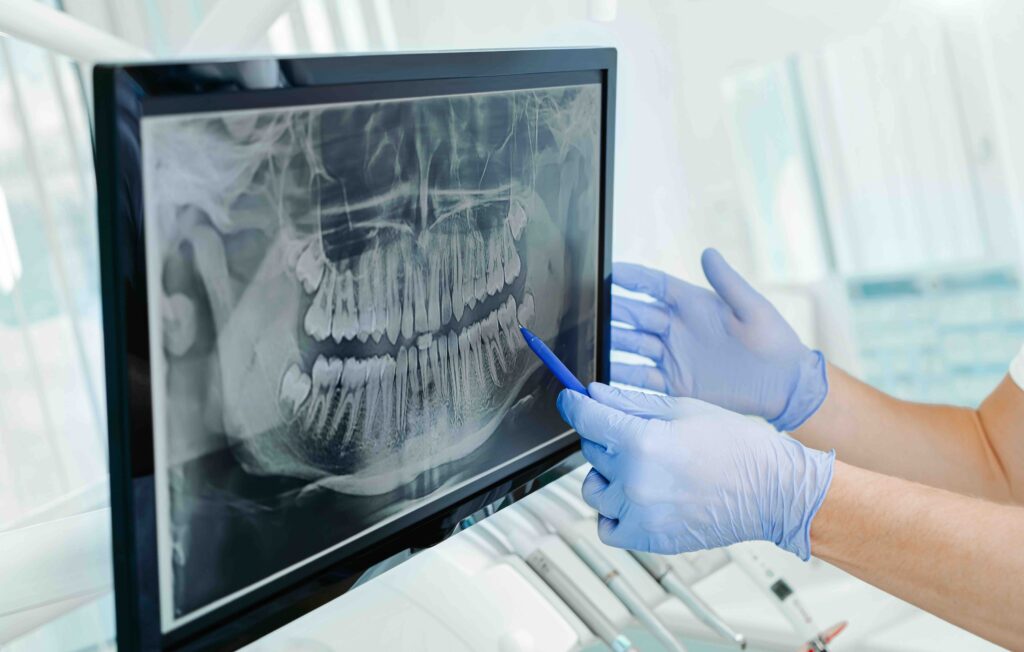
A proper implant consultation should feel more like diagnostic work than sales. The dentist is looking at the site in three dimensions, not simply checking whether there is an empty space. Most treatment decisions rely on an exam, digital imaging, and a discussion about goals and constraints.
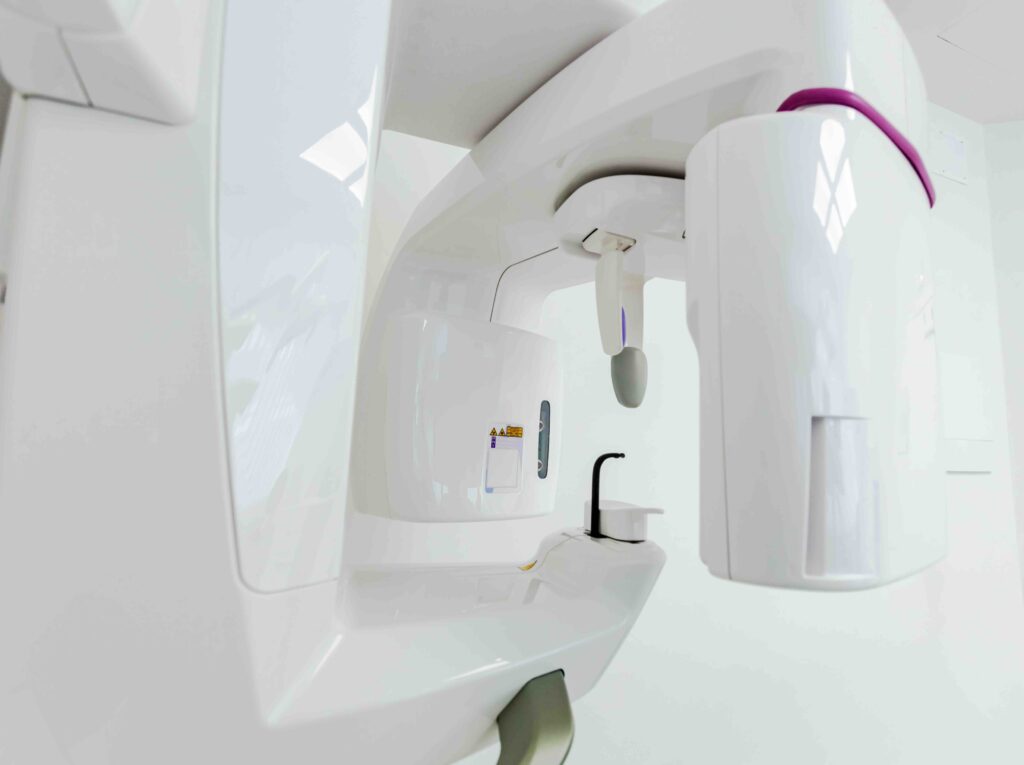
A three-dimensional scan, often a CBCT, is especially helpful. It shows the width and height of available bone, the proximity to structures like the maxillary sinus or the inferior alveolar nerve, and the angulation challenges that ordinary two-dimensional X-rays can miss. This matters because implant placement is a matter of millimeters. A plan that looks easy on a basic film may be far more limited in reality.
The restorative plan should lead the surgical plan, not the other way around. In plain terms, the dentist should know where the final tooth needs to sit before deciding where to place the implant. If the implant is placed too far facially, too far lingually, too deep, or at the wrong angle, the crown may be compromised even if the implant itself integrates successfully.
That is one of the practical differences between an acceptable result and an excellent one. Patients usually notice the difference in the mirror and while eating, even if they cannot describe the technical reason.
Timing after tooth loss
People often ask whether an implant can be placed the same day a tooth comes out. Sometimes yes. Sometimes no. Immediate placement can be a strong option in the right circumstances, but it is not automatically the best choice.
If the extraction site has intact walls of bone, minimal infection, and enough initial stability for implant placement, immediate placement may shorten treatment and help Dental Implants Calabasas CA preserve tissue contours. This can be particularly useful in selected front tooth cases.
If the site has significant infection, thin or damaged bone, a fractured root extending below the bone, or soft tissue concerns, a staged approach may be wiser. That might mean extracting the tooth, grafting the socket, allowing it to heal for several months, and then placing the implant under more controlled conditions.
There is no prize for doing it faster if the tissue result suffers. The better metric is predictability.
Bone grafting is common, not alarming
The phrase “bone graft” often sounds more dramatic than it is. In implant dentistry, grafting is simply a way to rebuild or preserve the support an implant needs. It may be recommended because bone shrank after a past extraction, because the sinus floor sits too low in the upper back jaw, or because the facial bone plate is thin and needs reinforcement.
Some grafts are minor and placed at the time of extraction or implant surgery. Others are larger ridge augmentations done beforehand. Healing times vary. Small socket preservation grafts may add modest time. More extensive grafting can extend the treatment sequence by several months.
Patients sometimes worry that grafting means the case is failing before it begins. Usually it means the team is planning responsibly. Trying to place an implant where support is inadequate often leads to poor positioning, exposed threads, recession, or long-term instability. A few extra months upfront can protect many years of function.
What treatment feels like from the patient side
Most single implant placements are easier than patients expect. That does not mean they are trivial, but the perception is often worse Dental Implants Calabasas CA than the reality. With local anesthesia, the area should be numb. Sedation may be offered depending on the case complexity and patient anxiety. Mild soreness, swelling, and tenderness are normal afterward for a few days, though experiences vary.
A straightforward sequence often includes consultation, imaging, surgery, healing, and final restoration. Temporary options during healing depend on the location. In the front, appearance matters, so a provisional tooth is often part of the discussion. In the back, some patients choose to leave the area without a temporary if it is not visible.
The part that takes patience is healing. The implant needs time to bond with bone before it is loaded fully, unless the case is specifically designed for immediate temporization and meets strict stability criteria. For many single tooth implants, the full process can run several months from extraction to final crown, sometimes longer if grafting is involved. That timeline is normal.
How implant crowns are designed to look natural
People tend to focus on the implant post, but the visible crown is where artistry matters. A natural-looking implant restoration depends on shade, translucency, contour, gum framing, and bite relationship. The shape cannot simply mimic a generic tooth from a catalog. It must fit the neighboring anatomy and the patient’s smile.
In the back of the mouth, function usually leads the design. The crown must distribute force well, avoid food traps, and allow cleanability. In the front, tiny details become obvious. The height of the gumline, the angle where the crown emerges from the tissue, and the way light reflects from the surface all affect whether the tooth disappears into the smile or stands out.
This is one area where local experience matters. A dentist who regularly restores implants understands that the final tooth is not just seated and forgotten. Contacts may need fine adjustment. Bite pressure must be checked in centric and during side movements. If the patient clenches, the shape may need to be kept slightly out of heavy lateral contact to reduce stress.
Dental implants versus bridges and partial dentures
Implants are excellent, but they are not the only replacement option. Bridges and removable partial dentures still have a place. The right choice depends on the surrounding teeth, the condition of the gums, finances, timeline, and patient preference.
A bridge may make sense if the neighboring teeth already need crowns. In that setting, using those teeth as anchors can be efficient. The downside is that healthy adjacent teeth may need significant preparation if they are otherwise intact. Bridges also do not replace the root, so they do not preserve bone in the same way.
A removable partial is usually the least expensive path initially. It can restore appearance and some function, especially when multiple teeth are missing. It is also the option patients are most likely to describe as an adaptation rather than a true replacement. Some do very well with them. Others dislike the movement, the acrylic bulk, or the metal clasps.
Implants usually win on feel and independence. They stand on their own and, when successful, become part of the mouth in a way that removable appliances rarely do.
Cost, value, and why estimates vary
When patients search for Dental Implants Calabasas CA, one of the first questions is cost. That is reasonable, but simple online numbers can be misleading because “an implant” is not one single item. Fees may include the consultation, CBCT imaging, extraction, grafting, implant placement, healing abutment, custom abutment, temporary restoration, final crown, and follow-up care. Not every practice bundles these the same way.
A case with strong bone and no infection costs less than one needing grafting or sinus augmentation. A front tooth with demanding cosmetic requirements may involve more planning and provisional work than a back molar. Specialist involvement can also affect the estimate if a surgeon places the implant and a restorative dentist completes the crown.
The more useful way to think about value is lifespan and maintenance. A well-done implant can serve for many years, but it still needs home care and periodic professional evaluation. The crown may eventually need replacement due to wear or chipping even if the implant itself remains stable. That is not failure. It is part of the long arc of dentistry.
Healing risks and realistic expectations
Implants have high success rates, but high is not the same as guaranteed. Honest treatment discussions should include risk. Integration can fail. Gum recession can expose metal components or create cosmetic concerns. Bone loss can develop later if plaque control is poor or if occlusal forces are excessive. Screws can loosen. Porcelain can chip. Rarely, nearby nerves or sinus spaces can be affected, particularly when anatomy is tight and planning is insufficient.
The good news is that many complications are preventable or manageable when caught early. The cases that concern clinicians most are often the quiet ones, where a patient disappears after placement, skips recall visits, smokes heavily, clenches nightly, and assumes the implant is maintenance-free because it cannot decay.
An implant cannot get a cavity, but the surrounding tissues can still become inflamed. Peri-implant mucositis and peri-implantitis are real conditions. They are one reason meticulous cleaning and regular maintenance matter so much.
Caring for an implant after the crown is placed
The daily routine should be simple enough to sustain for years. Most single implant patients do well with excellent brushing, floss or another approved interproximal cleaner, and regular professional maintenance visits. The exact tools vary depending on crown contour and access.
These habits matter most:
- Clean around the implant every day, especially at the gumline
- Keep regular hygiene visits so inflammation is found early
- Wear a night guard if clenching or grinding is present
- Avoid using the implant crown as a tool for tearing packages or biting hard objects
- Report persistent bleeding, soreness, or a new bad taste around the site
Small warning signs deserve attention. Bleeding when flossing around an implant is not something to ignore for six months. Early inflammation is much easier to treat than established bone loss.
Why local planning matters in Calabasas
Calabasas patients often come in with a mix of practical and aesthetic goals. Some want a durable replacement for a cracked molar that failed after years of large fillings. Others are replacing a front tooth after trauma and are deeply focused on appearance in close conversation, photographs, and social settings. Those are very different implant conversations.
Local practices that handle implants well tend to think beyond the surgery. They consider smile line, lip dynamics, bruxism patterns, gum thickness, and how the final restoration will age. They coordinate between surgeon, restorative dentist, and lab when a case is complex. They also avoid overselling speed. Good dentistry respects biology.
That is especially important in areas where patients are exposed to a lot of marketing. Same-day language can sound appealing, but not every mouth is built for immediate loading, and not every attractive before-and-after image reveals the maintenance demands behind it. A thoughtful provider will explain when speed is appropriate and when it is not.
Questions worth asking at a consultation
A good consultation is a two-way conversation. Patients should leave understanding not only the proposed plan, but also why that plan was chosen over the alternatives. A few practical questions can reveal how carefully the case is being approached.
Ask whether a three-dimensional scan is needed and what it shows about your bone. Ask whether grafting is recommended and why. Ask what temporary solution will be used, especially if the missing tooth is visible. Ask who will place the implant and who will restore it. Ask what the timeline looks like if healing goes normally, and what could change that timeline. Ask how the bite will be protected if you grind your teeth.
Clear answers usually signal clear planning.
The long view on replacing a missing tooth
The best implant stories are often uneventful. The tooth broke or was lost, the site was preserved properly, the implant was placed in the right position, the crown fit beautifully, and years later the patient barely thinks about it except at hygiene appointments. That is the goal, not a dramatic transformation, but a return to normal function and confidence.
For anyone weighing Dental Implants Calabasas CA, it helps to think beyond the gap itself. You are not just buying a replacement tooth. You are choosing a method of restoring chewing, preserving bone, stabilizing the bite, and protecting the future shape of your mouth. When the case is well selected and well executed, a dental implant is often the closest dentistry can come to giving a missing tooth its job back.
Oaks Dental
5000 Parkway Calabasas, Suite 308
Calabasas, CA 91302, United States
Phone: +1 (818) 412-8349
FAQ About Dental Implants Calabasas CA
How much does a dental implant cost in California?
Costs vary with the number of teeth replaced, restoration type, imaging, and any extractions or bone grafting. Request an itemized estimate after an examination; a single advertised price may not include every treatment stage.
Can people with autoimmune disease get dental implants?
Some people may qualify, but the condition, medications, oral health, and healing risks require individual assessment. Share your medical history with your dentist, who may coordinate with your treating physician.
Can you have dental implants if you have osteopenia?
Osteopenia does not by itself establish whether implants are suitable. Your dentist must evaluate jawbone support and review bone-related medications and other risks before recommending treatment.