Entry · Ref BFPOB-U5
Dental Implants Calabasas CA for Better Quality of Life
- Posted
- 2026-09-29
- Last amended
- 2026-09-29
- Account
- @emiliozzib305
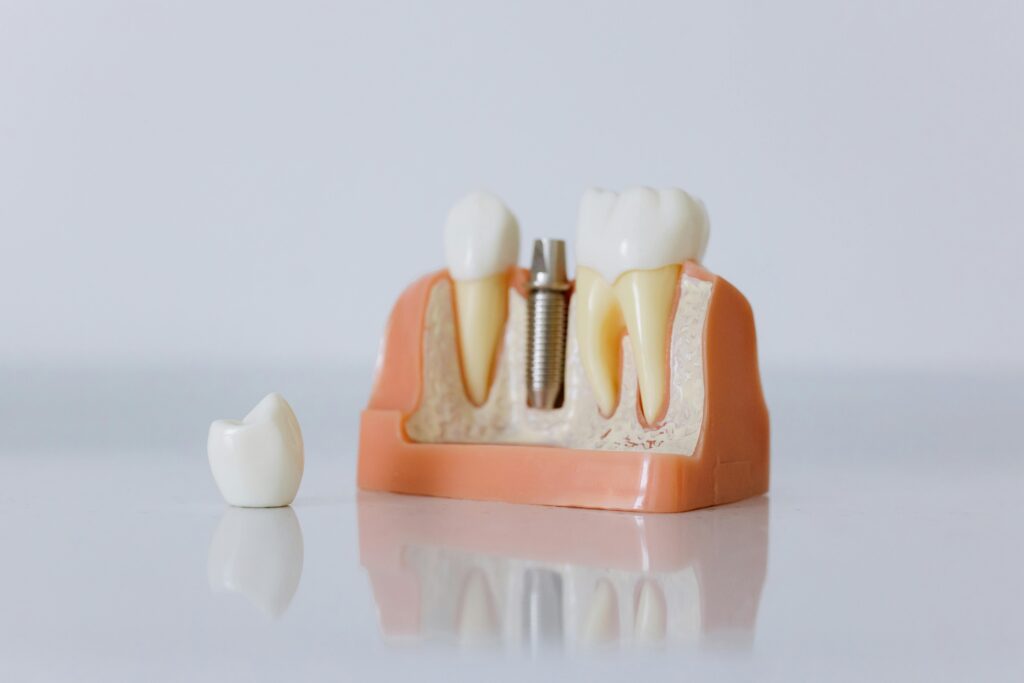
Losing a tooth changes more than a smile. It affects how people chew, how clearly they speak, how comfortable they feel in photos, and often how confidently they move through daily life. I have seen patients postpone treatment for months or even years because they assumed a missing tooth was mostly cosmetic, only to realize later that the gap had changed their bite, irritated neighboring teeth, or made them avoid certain foods altogether.
That is why so many people begin looking seriously at Dental Implants Calabasas CA after living with a missing tooth, a failing bridge, or a loose denture. They are not simply chasing a better-looking smile. Most are trying to get back a normal routine, enjoy meals without planning around discomfort, and stop thinking about their teeth all day long.
Dental implants can be a strong long-term solution, but they are not a casual purchase or a one-size-fits-all treatment. They require planning, healthy tissue, proper healing, and realistic expectations. When they are done well, though, the quality-of-life improvement can be remarkable. Patients often describe the result in plain terms: food tastes better because chewing feels balanced, speech feels more natural, and there is relief in not worrying that a restoration might slip or shift.
What a dental implant actually replaces
A dental implant replaces the root of a missing tooth with a small post, usually made from titanium or a similar biocompatible material, that is placed in the jawbone. Once the area heals and the implant integrates with the bone, a connector and custom crown are attached above the gumline. The result is a restoration that is designed to look and function much like a natural tooth.
That distinction matters. A traditional bridge replaces the visible part of the tooth but relies on neighboring teeth for support. A removable denture fills the space but sits on top of the gums. An implant supports the tooth from below, which is much closer to the way natural teeth work. That support changes the feel of chewing and helps preserve jawbone in a way removable options cannot fully match.
For someone who has lost one tooth in the back of the mouth, the value of an implant often becomes obvious at dinner. Chewing becomes more even. There is less tendency to favor one side. For someone missing a front tooth, the benefits extend to speech and appearance, especially if the surrounding gumline has been carefully shaped during treatment.
Why quality of life improves so much
People often focus on the visual side of implants first, but the deeper improvement usually comes from function and stability. A secure bite affects simple, ordinary moments. Crunchy vegetables, steak, sandwiches, nuts, and crusty bread are all foods that people with missing teeth or unstable dentures may avoid. Once chewing becomes reliable again, meals are less stressful and more enjoyable.
There is also a physical comfort factor that does not get enough attention. When one tooth is missing, nearby teeth can drift over time. The opposing tooth may begin to erupt slightly into the open space. Those shifts can create pressure points, uneven wear, and bite changes that are hard to trace unless someone has seen this pattern repeatedly in practice. Restoring the space early can help prevent that slow chain reaction.
Speech can improve too, especially when missing teeth are in the front or when a loose denture affects tongue placement. Many patients are surprised by how much mental energy they had been spending on their mouth until they no longer had to think about it.
Confidence is harder to measure, but it is real. A person who has been covering their mouth when laughing, declining invitations to eat out, or speaking less in meetings because of a visible gap often experiences a social reset after treatment. That may sound intangible, yet it affects daily well-being just as much as physical comfort.
The local factor matters more than people think
When patients search for Dental Implants Calabasas CA, they are often comparing cost first. That is understandable, but location and continuity of care deserve equal weight. Implant treatment is not always a single appointment followed by a finished crown. It usually involves imaging, planning, surgical placement, healing checks, restorative design, bite adjustment, and long-term maintenance.
Being treated close to home makes follow-up easier. That matters because small issues are easier to correct early. A pressure spot on a temporary, mild inflammation around healing tissue, or a bite adjustment that feels slightly off can usually be handled quickly if the office is convenient. When treatment Dental Implants Calabasas CA is far away, patients tend to wait, and small annoyances can become larger problems.
A local provider also tends to understand the expectations of the community they serve. In an area like Calabasas, patients are often balancing function, aesthetics, and professional appearance. They may want natural-looking restorations that do not look flat, bulky, or overly bright. That level of customization depends on careful planning and communication, not just on the implant itself.
Who is usually a good candidate
Most healthy adults with one or more missing teeth can be considered for implants, but good candidacy depends on several factors working together. Gum health, bone volume, bite forces, medical history, and home care habits all matter.
A patient who has excellent general health but severe clenching may still need a carefully managed treatment plan and nightguard protection. Another patient may have good oral hygiene but insufficient bone in the area of a missing tooth, which could require bone grafting before or during implant placement. Smokers can still receive implants in some cases, but they usually face a higher risk of healing complications and should hear that clearly, not as a footnote.
The best candidacy conversations are candid, not sales-driven. A responsible dentist or specialist should be willing to say when a case needs additional groundwork, more time, or a different option altogether.
The planning stage is where successful cases are won
People tend to think the surgery is the biggest moment. In reality, much of the success of implant treatment is determined before the implant is ever placed. Imaging and restorative planning are crucial. Cone beam scans, when indicated, help evaluate bone dimensions and identify nearby anatomical structures. The final crown position should guide the implant position, not the other way around.
This point is especially important in the front of the mouth. If an implant is placed a little too far forward, too deep, or at the wrong angle, the final result can look unnatural even if the implant itself is stable. Gum contours may flatten, shadows may appear near the crown, or the tooth may seem slightly off compared with its neighbor. Patients often cannot explain what looks wrong, but they can tell that something does.
Posterior teeth bring their own challenges. Molars bear significant force. An undersized implant or a crown with poor bite distribution can be overloaded over time. This is why thoughtful treatment planning matters just as much as technical skill during placement.
What the treatment process usually looks like
The timeline varies. Some patients can have an implant placed soon after extraction if the site is favorable. Others need to heal first, especially if there was infection, bone loss, or a fractured root. In certain cases, bone grafting is recommended to rebuild the area and improve the long-term foundation.
After placement, the implant usually needs time to integrate with the bone. Healing times can range from a few months to longer depending on the site, the bone quality, and whether grafting was involved. Once integration is confirmed, the restorative phase begins. That includes shaping the soft tissue when necessary, taking impressions or scans, and fabricating the final crown, bridge, or denture attachment.
Many patients ask if the procedure hurts. Most describe the placement itself as easier than expected, especially with local anesthesia and appropriate sedation when needed. The recovery is often more manageable than a difficult extraction. That said, there is a difference between manageable discomfort and no discomfort. Swelling, tenderness, a restricted diet for a short period, and a healing period that requires patience are all part of the real picture.
Common situations where implants can make a major difference
Some of the strongest quality-of-life gains happen in very specific everyday scenarios:
- A single missing molar that has made chewing uneven for years
- A front tooth lost to trauma, where appearance and speech both matter
- A lower denture that moves constantly during meals and conversation
- Several missing teeth in a row, where a fixed solution feels more secure than a removable one
- An old bridge with recurrent decay on the supporting teeth
Each of these situations calls for different planning. A single back tooth may be straightforward if bone is adequate. A front tooth often demands more attention to gum architecture and esthetics. A loose lower denture may be transformed by a few strategically placed implants that improve retention dramatically. The point is not that implants are always the answer, but that the right implant solution can change daily comfort in ways people notice immediately.
Bone loss is an important part of the conversation
One of the less visible consequences of tooth loss is the gradual resorption of the jawbone in that area. Without a tooth root providing stimulation, the bone tends to shrink over time. That change can affect facial support, denture fit, and the complexity of future treatment.
This is one reason delays matter. A patient who loses a tooth and seeks treatment within a few months may have more straightforward options than someone who waits several years. That does not mean late treatment is impossible. It often just means more preparation may be needed, such as grafting or soft tissue enhancement.
Patients sometimes view grafting as an upsell because they were not expecting it. In many cases, it is simply part of building a stable foundation. It should be recommended only when necessary and explained in practical terms: what problem it solves, what material is being used, what healing looks like, and what happens if it is declined.
Aesthetics are not vanity, they are part of function
A dental implant that feels solid but looks artificial will not feel like a true success to most patients. In visible areas, tiny details matter. The shape of the gumline, the emergence profile of the crown, the translucency of the ceramic, and the symmetry with neighboring teeth all influence the final result.
I have seen cases where patients were thrilled that they could chew again but still felt self-conscious because the implant crown looked too opaque or the gum line sat unevenly. Those details are fixable in many situations, but they are much easier to prevent with good planning than to correct later.
In Calabasas, where many patients want restorations that look refined but not conspicuous, subtlety matters. The best implant dentistry tends to disappear into the smile rather than announce itself.
The cost question deserves a straight answer
Implants usually cost more upfront than some alternatives. There is no responsible way to pretend otherwise. A single implant case may include diagnostics, extraction if needed, grafting, surgical placement, healing components, and the final restoration. Costs vary significantly by complexity, materials, and provider experience.
What patients should weigh is not just the initial fee, but the lifespan, maintenance, and biological trade-offs of each option. A bridge may cost less initially, but it often requires preparing adjacent teeth. A removable partial may be the most affordable short-term solution, but it may feel less stable and may need more adjustments over time.
The value calculation is personal. For one patient, preserving neighboring teeth and having a fixed solution is worth the investment. For another, medical constraints or budget realities may make a different route more sensible. Good treatment planning includes financial clarity without pressure.
Questions worth asking at a consultation
A productive consultation is not just about hearing that you are a candidate. It is about understanding the details of your case and the reasoning behind the plan. These questions often lead to a more useful conversation:
- Do I have enough bone now, or is grafting recommended?
- Who will place the implant and who will make the final restoration?
- What are the risks in my specific case, including gum recession or implant overload?
- How long will the full process likely take from start to finish?
- What kind of maintenance and follow-up will I need afterward?
A provider who answers these clearly is usually thinking beyond the procedure itself. That is a good sign. Implant dentistry works best when the surgical and restorative pieces are aligned from the beginning.
Maintenance is where long-term success lives
One of the most common misconceptions is that implants do not require much care because they cannot get cavities. It is true that the implant material does not decay, but the surrounding tissues can still become inflamed or infected if plaque accumulates. Peri-implant disease is a real concern, particularly in patients with a history of gum disease, smoking, or inconsistent hygiene.
Daily cleaning matters. So do routine professional evaluations. The bite should be checked periodically, especially in patients who grind or clench. A crown that takes too much force over time can create complications, and catching that early is far easier than repairing damage later.
Patients with implant-supported dentures or full-arch restorations need maintenance education tailored to their specific prosthesis. Cleaning under and around those restorations is different from cleaning natural teeth. When patients are shown exactly how to care for them, outcomes are usually much better.
When implants may not be the right answer, at least not yet
Good dentistry includes knowing when to slow down. Active periodontal disease, uncontrolled diabetes, heavy smoking, untreated bite instability, and inadequate bone or soft tissue may all require attention before implant placement. Sometimes the better decision is staged care. Sometimes another solution is more appropriate.
That does not mean implants are off the table forever. It means the mouth needs better conditions first. In my experience, patients appreciate honesty when it is delivered with a plan. If a dentist says, “You can get there, but first we need to stabilize the gums,” that is usually more trustworthy than a promise of immediate treatment regardless of the underlying problems.
The emotional side of restoring a smile
There is a practical side to tooth replacement, and then there is the private side people mention only after treatment is done. Some patients have spent years smiling with their lips closed. Others have become skilled at chewing on one side without even realizing it. Some quietly feel older than they are because of failing teeth or loose dentures.
When implants are successful, the emotional change can be as meaningful as the physical one. It does not always show up in dramatic before-and-after language. Often it appears in ordinary comments. Someone says they ordered corn on the cob for the first time in years. Someone else says they stopped worrying during business lunches. Another person notices that they laugh freely in family photos again.
Those are not cosmetic luxuries. They are quality-of-life changes.
Choosing a provider in Calabasas with good judgment
Patients looking for Dental Implants Calabasas CA should look beyond glossy marketing. Experience matters, but so does restraint. A strong provider should be able to explain the limitations of your case, the alternatives, the likely timeline, and the maintenance plan without making the decision feel rushed.
Pay attention to whether the consultation feels diagnostic or promotional. You want someone who studies your bite, gum condition, bone support, smile line, and health history carefully. You also want coordination between the surgical and restorative phases, whether that happens within one office or between collaborating doctors.
The best implant cases are not just technically competent. They are well judged. They reflect an understanding of how people use their teeth in real life, how tissue behaves over time, and how to balance longevity, comfort, appearance, and cost.
For the right patient, dental implants can do something few treatments manage so completely. They restore structure, improve function, support facial stability, and remove a daily source of worry. That is why the benefit reaches far beyond the mouth. When chewing feels natural, speech feels secure, and smiling no longer requires calculation, life gets easier in dozens of small ways. Those small ways add up quickly.
Oaks Dental
5000 Parkway Calabasas, Suite 308
Calabasas, CA 91302, United States
Phone: +1 (818) 412-8349
FAQ About Dental Implants Calabasas CA
How much does a dental implant cost in California?
Costs vary with the number of teeth replaced, restoration type, imaging, and any extractions or bone grafting. Request an itemized estimate after an examination; a single advertised price may not include every treatment stage.
Can people with autoimmune disease get dental implants?
Some people may qualify, but the condition, medications, oral health, and healing risks require individual assessment. Share your medical history with your dentist, who may coordinate with your treating physician.
Can you have dental implants if you have osteopenia?
Osteopenia does not by itself establish whether implants are suitable. Your dentist must evaluate jawbone support and review bone-related medications and other risks before recommending treatment.