Entry · Ref FTMVURDZ
A Practical Guide to Living With Invisalign in Calabasas CA
- Posted
- 2026-11-24
- Last amended
- 2026-11-24
- Account
- @emiliozzib305
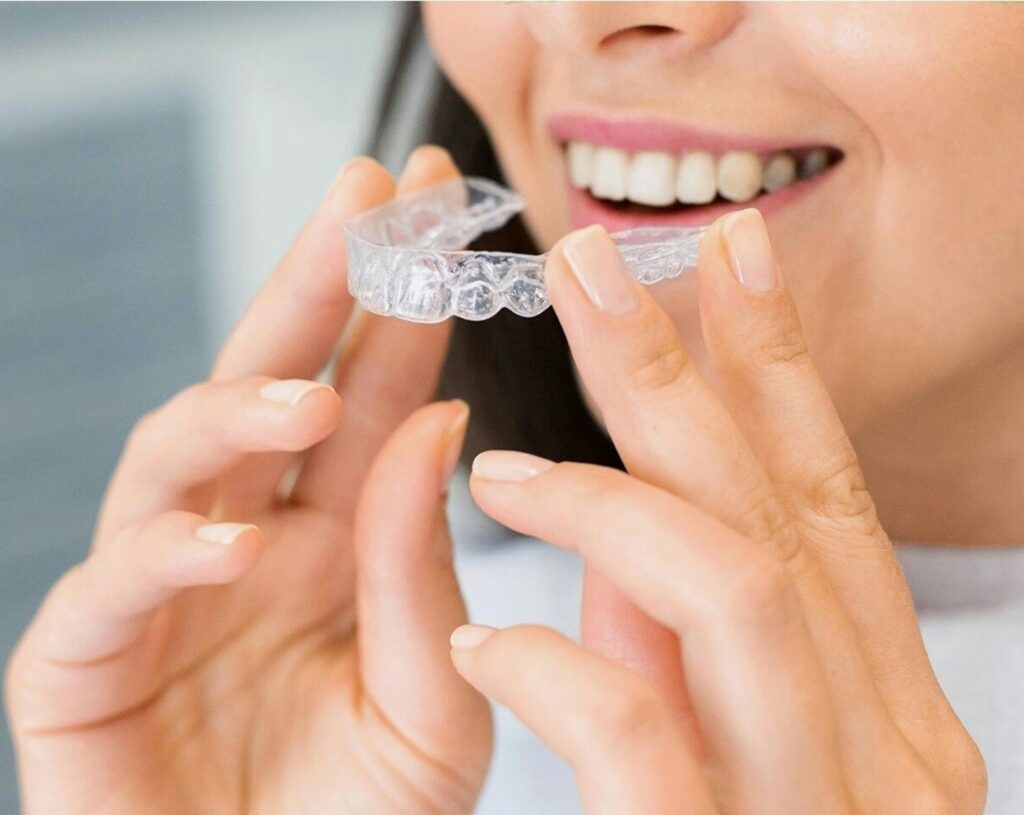

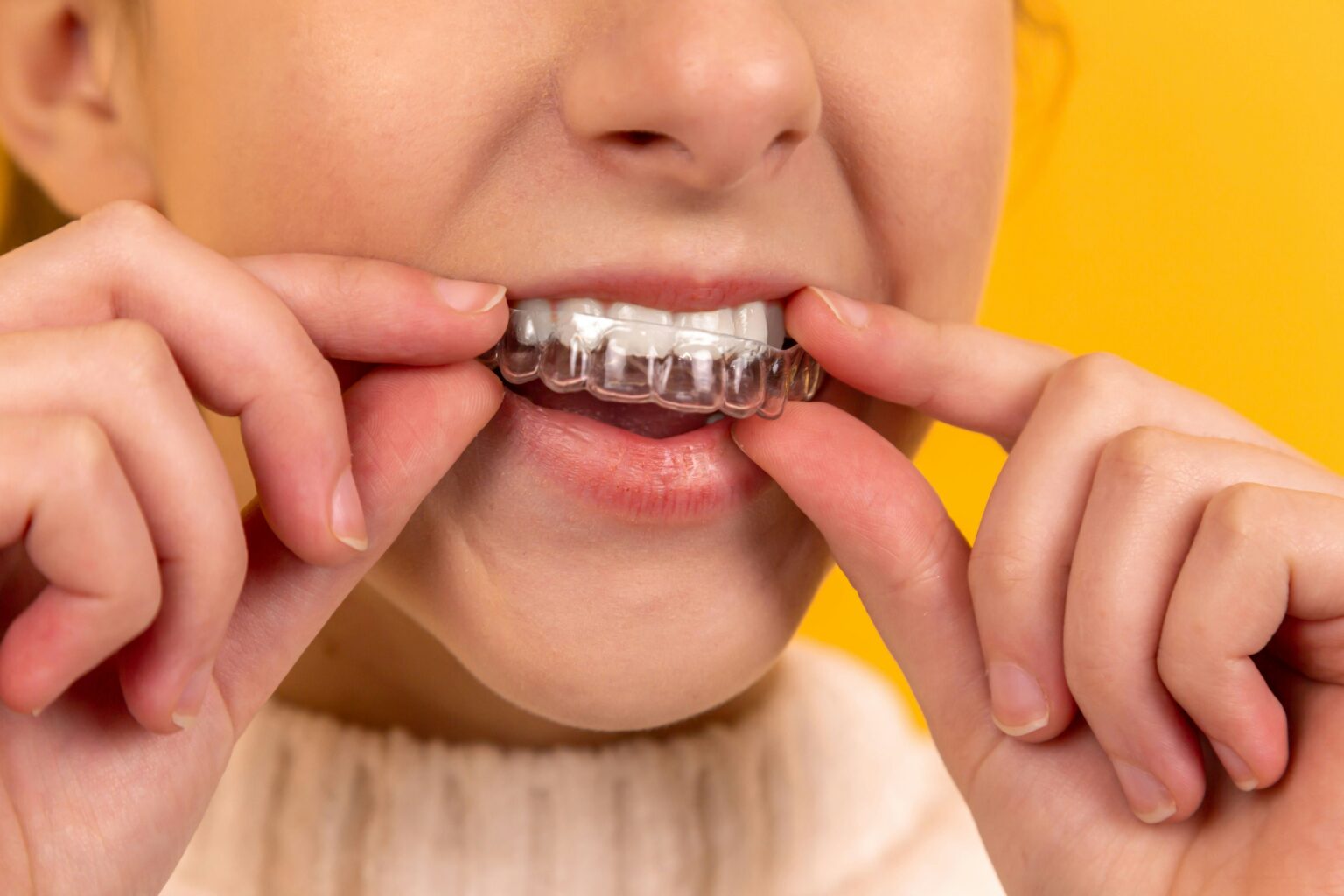
Choosing Invisalign sounds simple when you are sitting in a consultation chair, looking at a digital preview of straighter teeth. Living with it is more nuanced. The trays become part of your morning routine, your lunch plans, your coffee habits, your workouts, and, for many adults in Calabasas, your workday. That is where the real adjustment happens.
Invisalign has earned its popularity for good reason. The aligners are discreet, removable, and generally easier to integrate into daily life than traditional braces. Still, “easier” does not mean effortless. The patients who do best are usually not the ones with the most perfect schedules. They are the ones who learn the small practical habits that keep treatment moving.
If you are considering Invisalign Calabasas CA treatment, or you have just started and want to avoid the common headaches, it helps to think beyond the sales pitch. Daily wear, attachments, speech changes, cleaning, dining out, and local lifestyle factors all matter. Calabasas has its own rhythm, from long commutes and school drop-offs to client lunches, gym sessions, and outdoor social life. Invisalign can fit into that rhythm very well, but it works best when you are honest about how you actually live.
The first adjustment is not cosmetic, it is behavioral
Most people focus first on how the aligners look. In practice, the bigger issue is how often they are in your mouth. Invisalign depends on consistency. For many cases, that means wearing aligners about 20 to 22 hours a day. A tray that comes out for every snack, every iced coffee, every long conversation before a meeting, and every late-night nibble is not doing its job.
The first week often feels like a collision between good intentions and real life. You may notice pressure when switching trays. Your speech may sound slightly different for a couple of days, especially with “s” sounds. You may feel unusually aware of your teeth, your lips, even your saliva. None of that is unusual. What matters is whether you settle into a routine quickly enough that wear time stays high.
Adults in professional settings usually adapt fast because structure helps. A predictable workday makes it easier to build anchors around meals and oral care. Teens sometimes need more supervision because their days shift more, and spontaneous snacking can derail progress. But adults are not immune to inconsistency. Social calendars in Calabasas can be full, and removable appliances demand self-discipline in situations where braces would keep working no matter what.
One of the most useful mindset shifts is this: stop treating aligners like something you wear when convenient. Treat them like something you remove briefly for meals, then put back immediately. That framing sounds minor, but it changes outcomes.
What everyday life with trays actually feels like
The sensation of Invisalign is often described as “pressure,” which is accurate but incomplete. A fresh tray can feel snug, particularly for the first day or two. That pressure is usually a sign the aligner is engaging the teeth properly. Sharp pain is not typical, but tenderness when biting into firm foods can happen after a tray change. Many experienced patients switch to a new set at night so they can sleep through the first several hours of adjustment.
Dry mouth can appear early on. So can the opposite, extra saliva, especially in the first few days. Both usually improve. Lips may feel slightly irritated if you are prone to dryness. If you talk for a living, whether in real estate, law, sales, entertainment, or healthcare, you may notice your speech settle more quickly if you read aloud for ten minutes a day during the first week. It sounds simplistic, but it works.
Attachments deserve a mention because they surprise people. These tooth-colored bumps bonded to certain teeth help the trays grip and move them more effectively. They are not dramatic, but they can make aligners feel harder to remove at first. They can also make your teeth look less “invisible” up close than some marketing photos suggest. That is not a flaw. It is part of what makes the treatment work in more complex cases.
There is also a social side people rarely discuss plainly. You may think about your teeth more during treatment, not less. You may excuse yourself after meals to brush. You may skip grazing at a party because you do not want to keep removing and cleaning trays. For some patients, that feels annoying. For others, it becomes an unexpected benefit because it cuts down on mindless snacking.
Eating and drinking in a place where social life often revolves around food
Calabasas is not a place where people stay home and eat in silence. There are coffee meetings, casual lunches, school events, dinners out, and the usual run of birthdays, celebrations, and weekend plans. Invisalign is compatible with all of that, but your habits may need tightening.
You should not eat with aligners in. Beyond the obvious risk of cracking or warping trays, chewing with them can trap food and sugar against your teeth. Hot drinks are another issue. Very hot coffee or tea can distort the plastic. Cool water is generally fine with trays in. Other beverages are where judgment comes in. Some people sip clear sparkling water without problems. Sugary, acidic, or deeply pigmented drinks are another story. They can stain trays and increase cavity risk if trapped around the teeth.
This is where many patients lose time without realizing it. A long iced latte in the car, a green juice after Pilates, a sweetened matcha while running errands, a glass of wine poured before dinner, these all stretch tray-free time unless you make a plan. There is no need to become rigid or antisocial. You just need to be intentional.
It often helps to consolidate eating rather than nibbling all day. Three meals and one planned snack is easier to manage than six small food events, each followed by aligner removal, rinsing, and re-insertion. If you are someone who grazes while working, Invisalign may force a habit change. That is frustrating at first, but many people find it simplifies their day.
A small kit makes the whole process easier
The patients who handle Invisalign best almost always carry a few basics with them. Not because the treatment is complicated, but because life is unpredictable.
- travel toothbrush and toothpaste
- floss or floss picks
- a hard aligner case
- a small bottle of water
- orthodontic chewies, if recommended by your provider
That case matters more than people think. Plenty of aligners have been lost in a restaurant napkin, a school lunch tray, or the cup holder of a hot car. Replacing a lost tray is not always a crisis, but it can disrupt progress, especially if it happens near the end of a wear cycle. The hard case prevents a surprising amount of stress.
Cleaning trays without turning it into a science project
Keeping aligners clean is straightforward, but many people overdo it. The goal is to remove residue and odor without scratching or damaging the plastic. A soft toothbrush, lukewarm water, and a gentle clear cleanser are often enough. Some patients use cleaning crystals or retainer tablets, which can be helpful when trays start to feel cloudy. Very hot water is a bad idea because it can warp the aligners. Abrasive toothpaste is not ideal either, since it can make trays look dull and more noticeable.
The bigger issue is usually not the tray itself. It is what sits underneath it. If you put aligners back on after eating without brushing, or at least rinsing well when brushing is not possible, food debris and sugar stay in contact with the teeth. That can increase the risk of cavities, plaque buildup, and gum irritation. People with a history of dry mouth or frequent snacking need to be especially careful.
If you are out and cannot brush, do not panic. Rinse your mouth thoroughly with water, rinse the trays, and brush as soon as you can. One imperfect moment is not the problem. A pattern of carelessness is.
The Calabasas factor: traffic, schedules, and being away from home
Local lifestyle shapes treatment more than people expect. In Calabasas, many residents spend meaningful time in the car. School runs, freeway traffic, commuting to nearby offices, errands in Woodland Hills, appointments in Beverly Hills, or a trip across town that somehow eats an hour, all of it creates long stretches away from a bathroom sink.
That makes planning important. If you remove aligners for a quick bite in the car and then forget to put them back in until you get home, those small gaps add up. A patient who loses an hour a day may not notice much at first. Over several weeks, though, teeth can lag behind the trays, making the next aligner feel too tight or refuse to seat fully. Then comes the familiar scramble: wear the old trays longer, come in for a check, maybe refine the plan.
This is one reason a realistic consultation matters. If your schedule is genuinely chaotic, that does not rule out Invisalign. It just means your provider should discuss compliance honestly. A treatment plan that looks elegant on a screen still depends on human behavior.
People who travel frequently between appointments should ask practical questions upfront. What happens if a tray cracks? What if an attachment comes off before an important event? Can you move to the next tray if one is lost? There is no one-size-fits-all answer, but a good office will give you clear instructions tailored to your case, rather than vague reassurance.
Why some days feel easy and others do not
There is a predictable rhythm to Invisalign. Some days you barely think about it. Other days it feels like an inconvenience attached to every meal. That fluctuation is normal.
The hard days usually fall into a few categories. New tray day can bring pressure and mild soreness. Social occasions can make frequent removal feel tedious. Workdays packed with meetings can tempt you to leave trays out longer than you should. Illness, travel, and holidays disrupt routines that normally keep treatment on track.
There are also edge cases. People who clench or grind may wear through trays faster. Patients with attachments on front teeth may notice aligners more than they expected in photos. Anyone with a history of gum sensitivity may need closer monitoring if hygiene slips. If you already have crowns, veneers, or bridgework, your provider should explain where Invisalign works well and where tooth movement may be more limited.
The answer is not perfection. The answer is recovery. A missed hour is recoverable. A forgotten tray after lunch is recoverable. A week of casual wear is where trouble starts.
Habits that consistently make treatment smoother
A handful of habits separate the patients who breeze through treatment from the ones who feel like they are always catching up.
- change to a new tray at night, unless your dentist or orthodontist tells you otherwise
- put trays back in immediately after meals, even if you can only rinse first and brush later
- track wear time if you tend to underestimate it
- keep your next and previous aligner sets in a safe place
- contact your provider early if a tray stops fitting well
That last point matters. Patients sometimes wait too long, hoping a poorly fitting tray will somehow settle in. Sometimes it does, especially if wear time was low and improves. Sometimes it does not. If the aligner is clearly lifting off the teeth, especially near the molars or on a tooth with an attachment, a quick call can save weeks of drift.
Attachments, refinements, and the part no one advertises
Many Invisalign cases do not end exactly on the date first discussed. That is not necessarily a red flag. Teeth are biological structures, not machine parts, and they do not all move on schedule. Some teeth rotate stubbornly. Some need more root control. Some respond beautifully until the last small detail.
That is where refinements come in. A refinement phase usually means new scans or impressions and a fresh series of trays to fine-tune the result. Patients are often surprised by this because they interpreted the original tray count as the entire journey. In reality, refinements are common and often appropriate. The key is transparency. You want to know, from the beginning, that the first set of trays may not be the final chapter.
Attachments may be revised too. Interproximal reduction, sometimes called IPR, may be recommended in selected cases to create tiny amounts of space between teeth. That idea can sound alarming until it is explained properly. When done conservatively and for the right reasons, it can improve alignment and reduce the need for extractions in suitable cases. It is not needed for everyone, and it should never feel like a surprise procedure sprung on you midstream without discussion.
Work, school, and speaking with confidence
One reason adults seek Invisalign Calabasas CA treatment is discretion. They want straighter teeth without a major change in appearance during client presentations, auditions, board meetings, interviews, or daily interactions. Invisalign generally delivers well on that front, but confidence still comes from preparation.
If you have a major presentation, practice with the trays in. Most speech changes are mild, but confidence rises when you know how your mouth feels around key words. If you are in a field that depends heavily on image, remember that tiny imperfections in aligner visibility are usually more noticeable to you than to anyone else. People tend to read overall grooming and confidence, not whether there is a thin clear tray on your teeth from two feet away.
For students and teens, consistency often depends on systems. The aligner case needs a permanent home in the backpack. Lunch routines need to be simple. Sports and music activities may require extra reminders. The removable nature of Invisalign is a strength, but only if the trays return to the mouth after the activity ends.
Exercise, entertainment, and the less obvious daily moments
Active people usually adapt well. Aligners can be worn during most exercise. If you use a sports mouthguard, ask your dental provider how to coordinate it. For many contact sports, a properly fitted mouthguard remains the priority. If you go to the gym early and sip pre-workout or sports drinks for an hour with trays in, though, that is not ideal. Acid and sugar sitting under aligners can create problems over time.
Entertainment schedules can be trickier than workouts. Think of a long movie, concert, or event where you are snacking and drinking casually for several hours. That pattern is common, and it is where wear time disappears. Some patients do best by eating beforehand, keeping the aligners in during the event, and sticking to water. Others decide a special occasion is worth some flexibility and simply get right back on plan afterward. Reasonable judgment beats rigid guilt.
Nightlife adds another practical point. If you remove trays after a late dinner and are too tired to brush and reinsert them, that becomes a habit fast. Keep the routine short and automatic. Brush, rinse the trays, put them back in, go to bed. The less decision-making required, the more consistent you will be.
Choosing a provider matters almost as much as choosing the treatment
Invisalign is a tool, not a guarantee. The quality of treatment depends on diagnosis, case selection, planning, monitoring, and communication. A patient with minor crowding and healthy gums may have a very straightforward path. A patient with bite issues, previous dental work, clenching habits, or periodontal concerns needs more careful management.
When evaluating a provider, look for clarity rather than hype. You want someone who explains what Invisalign can do well in your case, where limitations may exist, how long treatment is likely to take, and what retention will require afterward. Ask how often follow-ups occur, what happens if trays are lost, whether refinements are common in cases like yours, and what type of retention is recommended after treatment ends.
Retention deserves special respect because straightening teeth is only part of the process. Keeping them straight is lifelong. Teeth have memory. Without retainers, movement can recur, sometimes quickly. Patients often pour months of effort into aligners Invisalign Calabasas CA and then treat retention like an optional add-on. It is not optional if you want the result to last.
What success looks like in real life
Successful Invisalign treatment rarely looks glamorous day to day. It looks ordinary. It looks like someone removing trays for meals, putting them back in promptly, showing up for check-ins, and not trying to negotiate with the process. It looks like a person who keeps a case in the car, a toothbrush in a bag, and enough self-awareness to know where they are likely to slip.
There is real upside to that discipline. For many people, the routine becomes second nature within a few weeks. The trays feel normal. Eating feels intentional. Progress becomes visible in small shifts, a front tooth that no longer overlaps, a bite that starts to meet more evenly, a smile that looks cleaner in photos. Those changes can be subtle at first, then suddenly obvious.
If you are weighing Invisalign Calabasas CA options, the practical question is not whether clear aligners are convenient in theory. It is whether they fit your actual habits, and whether you are willing to support the treatment with consistency. If the answer is yes, Invisalign can be a very workable, very effective part of everyday life here. Not effortless, not magic, but manageable, discreet, and, for the right patient, genuinely worth it.
Oaks Dental
5000 Parkway Calabasas, Suite 308
Calabasas, CA 91302
(818) 643-6521
FAQ About Invisalign Calabasas CA
How many hours a day should I wear Invisalign?
Clear aligners are typically worn for 20 to 22 hours a day. Follow your dentist’s instructions for your specific treatment plan.
What age is best for Invisalign?
Many teens and adults can use clear aligners. A dentist can assess dental development, oral health, and the type of tooth movement needed.
What affects the cost of Invisalign in California?
Cost depends on the complexity and length of treatment and what the quoted plan includes. Ask for an itemized estimate and check any orthodontic coverage with your insurer.